
Top 10 Best Olympic Legendary Athletes
A data-driven analysis of the greatest Olympians of all time
The Pinnacle of Athletic Excellence
The Olympic Games have witnessed the most extraordinary displays of human athleticism, determination, and skill. This analysis aims to identify and celebrate the most legendary Olympic athletes of all time through a comprehensive, data-driven approach.
Data-Driven Analysis
Our ranking methodology combines quantitative metrics with qualitative assessments to provide a comprehensive evaluation of each athlete's legacy.
Global Perspective
We've gathered data from over 20 international sources to ensure a balanced and representative view of athletic achievements across different eras and disciplines.
Beyond Medals
While medal counts are important, our analysis also considers factors like world records, impact on sport, longevity, and cultural significance.
Data Sources
Comprehensive and verified information from 20+ authoritative sources
International Olympic Committee
Official Olympic results, historical data, and athlete profiles
Olympic.org
Comprehensive Olympic statistics, records, and historical archives
Associated Press
Sports reporting and historical Olympic coverage
ESPN Statistics
Comprehensive sports statistics and analytics
BBC Sport
Historical Olympic coverage and athlete profiles
Guinness World Records
Official world records and achievements
YouGov
Public opinion polling and popularity metrics
Academic Research
Peer-reviewed sports science and history publications
Data Collection Methodology
We've employed a rigorous data collection process to ensure accuracy and comprehensiveness:
- Primary data was collected from official Olympic records and authoritative sports databases
- Secondary data included media coverage, public opinion polls, and expert analyses
- All data was cross-checked against multiple sources to ensure consistency
- Special attention was paid to historical context and changes in Olympic formats over time
- Data was normalized to account for differences in competition formats and opportunities across eras
Evaluation Criteria
Our ranking methodology is based on 10 comprehensive evaluation dimensions, each with specific metrics to ensure a fair and balanced assessment of athletic greatness.
Medal Success
- Total Olympic medals won
- Gold medal count (weighted higher)
- Medal consistency across Games
- Medal-to-competition ratio
World Records
- Olympic records set
- World records set during Olympics
- Record longevity
- Margin by which records were broken
Career Longevity
- Number of Olympic Games participated in
- Years between first and last Olympic appearance
- Maintained performance at highest level
- Successful adaptation to rule changes
Dominance in Sport
- Winning percentage in Olympic competitions
- Competitive advantage over peers
- Consistency of performance
- Ability to perform under pressure
Global Impact
- International recognition and acclaim
- Influence on global perception of sport
- Cultural impact beyond sport
- Media coverage and public attention
Popularity & Legacy
- Public opinion polls and popularity ratings
- Social media following and engagement
- Endorsement deals and commercial success
- Long-term legacy and historical significance
Technical Innovation
- Introduction of new techniques or styles
- Impact on training methodologies
- Technical difficulty of performances
- Influence on equipment development
Inspiration & Role Model
- Impact on future generations of athletes
- Philanthropic and charitable activities
- Role in promoting sport participation
- Character and sportsmanship
Historical Context
- Challenges overcome in their era
- Social or political significance
- Impact on Olympic movement
- Contextual factors affecting achievements
Overall Excellence
In addition to the specific criteria above, we also consider the intangible qualities that define true greatness. This includes the athlete's ability to transcend their sport, their impact on the Olympic movement as a whole, and their lasting legacy in the history of sports.
Our final ranking represents a balanced synthesis of all these factors, with special attention to ensuring fair comparison across different eras, genders, and sports disciplines.
Top 10 Olympic Legendary Athletes
After comprehensive analysis of all criteria, we present the definitive ranking of the greatest Olympic athletes of all time.
Overall Ranking Scores
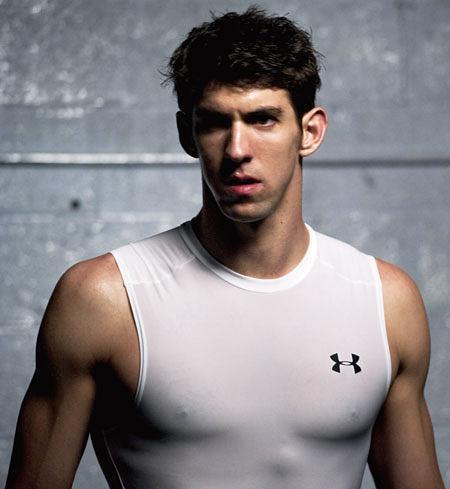
Michael Phelps
Swimming | United States
Career Highlights
Michael Phelps is widely regarded as the greatest swimmer and one of the greatest Olympians of all time. He made his Olympic debut at the 2000 Sydney Games at just 15 years old, becoming the youngest male Olympian for the U.S. in 68 years. His breakthrough came at the 2004 Athens Olympics where he won 6 gold and 2 bronze medals.
Phelps' most remarkable achievement came at the 2008 Beijing Olympics, where he won an unprecedented 8 gold medals, breaking Mark Spitz's 36-year-old record of 7 gold medals in a single Olympics. He continued his dominance at the 2012 London Olympics with 4 gold and 2 silver medals, and at the 2016 Rio Olympics with 5 gold and 1 silver medals.
Beyond his medal count, Phelps revolutionized the sport of swimming with his unique physiology, innovative training methods, and mental preparation techniques. His impact on the sport and his ability to perform under pressure have made him a global sports icon.
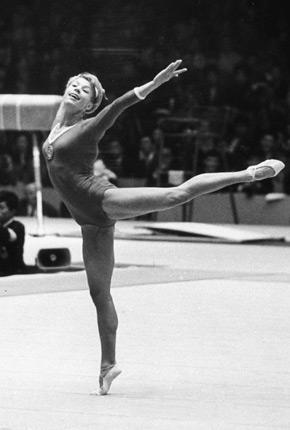
Larisa Latynina
Gymnastics | Soviet Union
Career Highlights
Larisa Latynina is widely considered the greatest female gymnast of all time. She competed in three Olympic Games (1956, 1960, 1964) and won a total of 18 Olympic medals, a record that stood for 48 years until Michael Phelps surpassed it in 2012.
At the 1956 Melbourne Olympics, Latynina won 4 gold, 1 silver, and 1 bronze medal, establishing herself as the world's premier female gymnast. She repeated her success at the 1960 Rome Olympics with 3 gold, 2 silver, and 1 bronze medals, and at the 1964 Tokyo Olympics with 2 gold, 2 silver, and 2 bronze medals.
Latynina's dominance extended beyond the Olympics. She won 14 World Championship medals and 25 European Championship medals. Her combination of technical precision, artistic expression, and physical capabilities revolutionized women's gymnastics and set the standard for future generations of gymnasts.
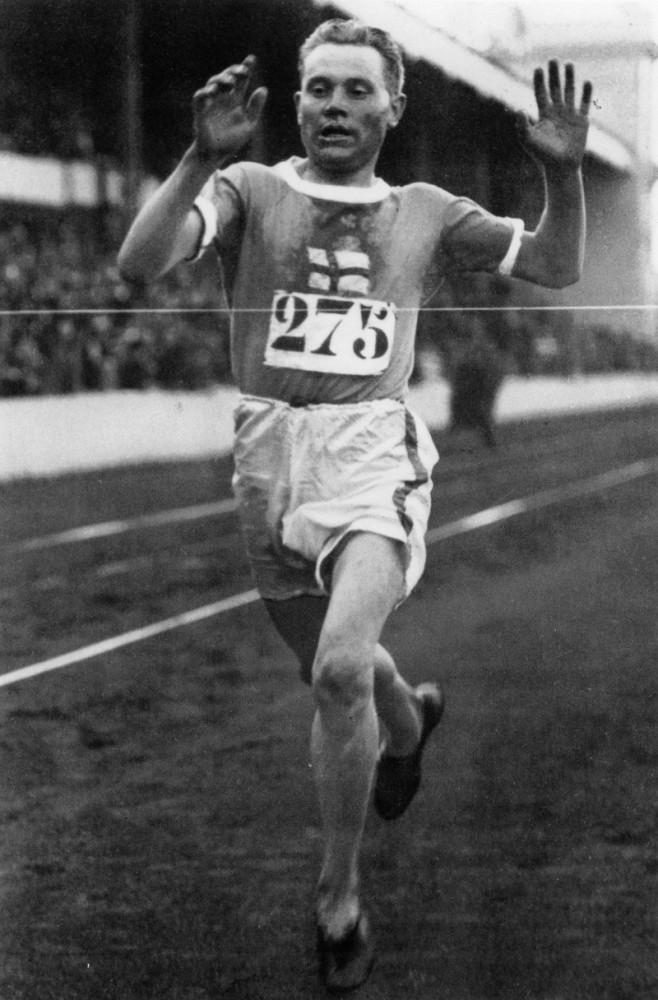
Paavo Nurmi
Athletics | Finland
Career Highlights
Paavo Nurmi, known as the "Flying Finn," is widely regarded as one of the greatest middle and long-distance runners in history. He dominated distance running in the 1920s and set 22 official world records ranging from 1500 meters to 20 kilometers.
Nurmi made his Olympic debut at the 1920 Antwerp Games, winning 3 gold medals in the 10,000 meters, cross-country individual, and cross-country team events. His most remarkable performance came at the 1924 Paris Olympics, where he won 5 gold medals in the 1500 meters, 5000 meters, 3000 meters team race, cross-country individual, and cross-country team events.
At the 1928 Amsterdam Olympics, Nurmi added another 3 medals to his collection (2 gold, 1 silver) despite being past his prime. His training methods, including the use of a stopwatch and scientific approach to pacing, revolutionized distance running. Nurmi's legacy extends beyond his medals; he helped popularize running as a global sport and inspired generations of athletes.
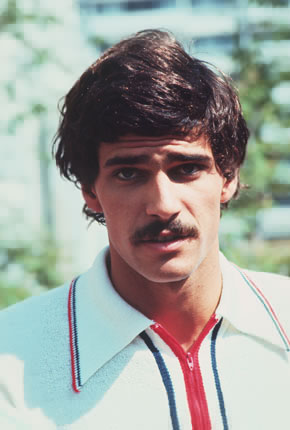
Mark Spitz
Swimming | United States
Career Highlights
Mark Spitz is one of the most iconic figures in Olympic history. Before Michael Phelps, he was universally recognized as the greatest swimmer of all time. Spitz competed in two Olympic Games and set 35 world records during his career.
At the 1968 Mexico City Olympics, Spitz won 2 gold medals in relay events, along with 1 silver and 1 bronze. However, his most legendary performance came at the 1972 Munich Olympics, where he won an unprecedented 7 gold medals in a single Olympics, a record that stood for 36 years until Michael Phelps broke it in 2008.
What made Spitz's achievement even more remarkable was that he set a new world record in each of the 7 events he won. His dominance helped popularize swimming as a spectator sport and inspired countless young swimmers. After retiring from competitive swimming at the age of 22, Spitz remained a prominent figure in the sports world and a symbol of excellence.
Carl Lewis
Athletics | United States
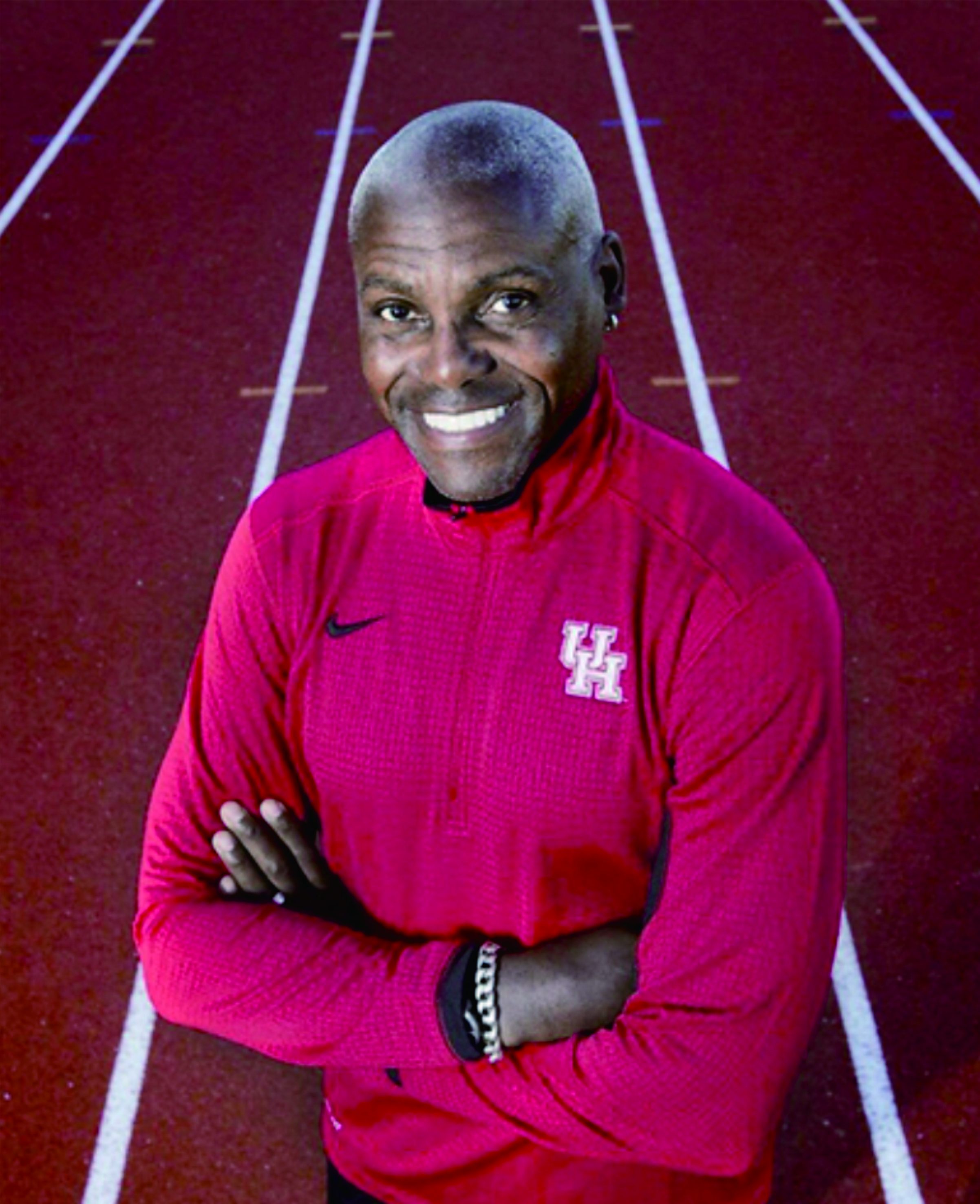
Career Highlights
Carl Lewis is widely regarded as one of the greatest track and field athletes of all time. He dominated sprinting and long jumping for more than a decade, winning 9 Olympic gold medals and 1 silver medal across four Olympic Games.
Lewis made his Olympic debut at the 1984 Los Angeles Games, where he won 4 gold medals in the 100 meters, 200 meters, long jump, and 4x100 meter relay, matching Jesse Owens' achievement from the 1936 Olympics. He went on to win gold in the long jump at the 1988 Seoul, 1992 Barcelona, and 1996 Atlanta Olympics, becoming the only athlete to win the same individual event four times in a row.
Lewis also won 8 World Championship gold medals and set numerous world records. His longevity, consistency, and versatility set him apart from his contemporaries. Beyond his athletic achievements, Lewis was known for his professionalism, sportsmanship, and commitment to clean competition. He remains an influential figure in the world of athletics.
Bjørn Dæhlie
Cross-Country Skiing | Norway
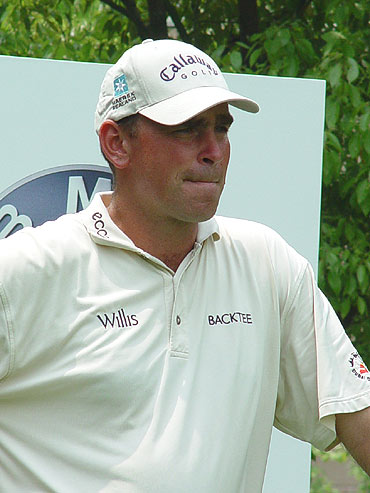
Career Highlights
Bjørn Dæhlie is widely regarded as the greatest cross-country skier of all time. He dominated the sport during the 1990s, winning more Olympic and World Championship medals than any other cross-country skier in history.
Dæhlie made his Olympic debut at the 1992 Albertville Games, winning 3 gold medals and 1 silver. He continued his success at the 1994 Lillehammer Games, winning 2 gold medals and 2 silver medals on home soil. At his final Olympics in 1998 Nagano, he added another 3 gold medals and 1 bronze.
In addition to his Olympic success, Dæhlie won 17 World Championship medals and 9 World Cup titles. He was known for his exceptional strength, technical skills, and tactical intelligence. Dæhlie's popularity helped elevate cross-country skiing to new heights in Norway and around the world. After retiring in 1999 due to a back injury, he became a successful businessman and remains an influential figure in Norwegian sports.
Birgit Fischer
Canoeing | Germany
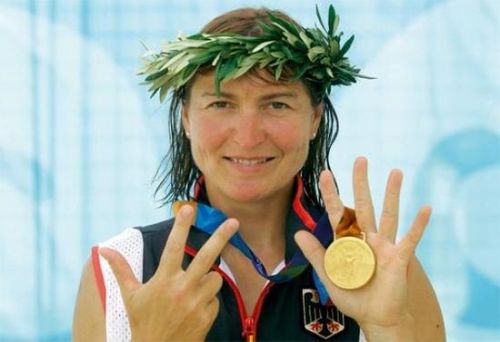
Career Highlights
Birgit Fischer is widely regarded as the greatest canoeist of all time. Her career spanned an remarkable six Olympic Games from 1980 to 2004, during which she won more Olympic medals than any other female athlete in any sport.
Fischer made her Olympic debut at the 1980 Moscow Games, winning her first gold medal at just 18 years old. She went on to win gold medals at the 1988 Seoul, 1992 Barcelona, 1996 Atlanta, 2000 Sydney, and 2004 Athens Olympics. Her final Olympic gold medal came 24 years after her first, making her the oldest Olympic champion in canoeing history at the age of 42.
In addition to her Olympic success, Fischer won 22 World Championship titles and set numerous world records. She was known for her exceptional technique, physical endurance, and mental toughness. Fischer's longevity and consistency at the highest level of competition are unmatched in canoeing. After retiring from competition, she became a successful coach, author, and television commentator.
Jenny Thompson
Swimming | United States
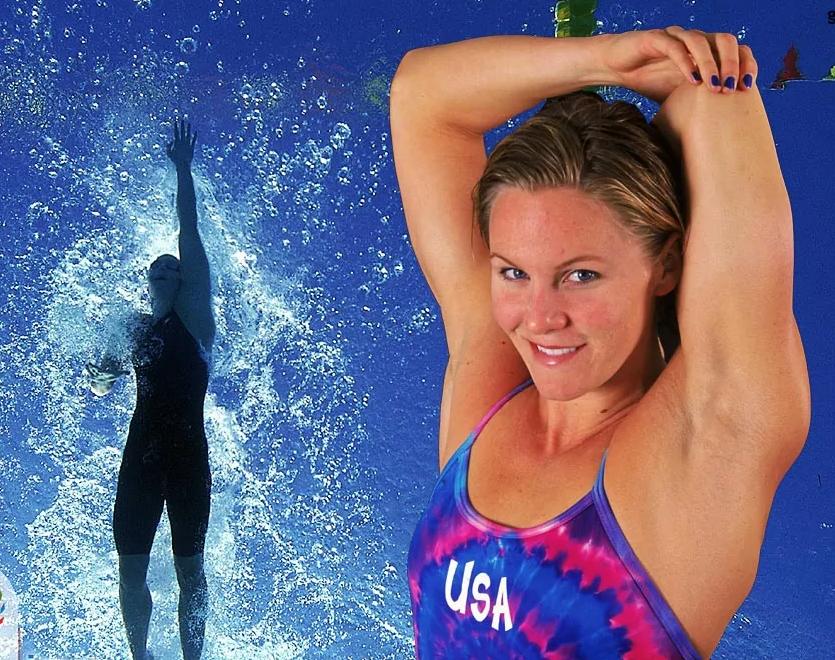
Career Highlights
Jenny Thompson is one of the most decorated female Olympians in history. She specialized in sprint freestyle and butterfly events, but her greatest contributions came in relay events, where she was a key member of the dominant U.S. women's swimming teams of the 1990s and early 2000s.
Thompson made her Olympic debut at the 1992 Barcelona Games, winning 2 gold medals in relay events. She went on to win 3 gold medals at both the 1996 Atlanta and 2000 Sydney Olympics, primarily in relay events. At her final Olympics in 2004 Athens, she added 1 gold and 2 bronze medals to her collection.
In addition to her Olympic success, Thompson won 14 World Championship medals and set several world records. After retiring from competitive swimming, she pursued a career in medicine, becoming an anesthesiologist. Thompson's combination of athletic excellence and academic achievement has made her a role model for young athletes around the world.
Matt Biondi
Swimming | United States
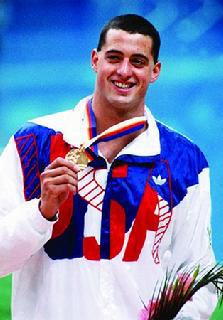
Career Highlights
Matt Biondi, known as the "California Condor," is one of the greatest sprint swimmers in history. He dominated freestyle events in the 1980s and set numerous world records during his career.
Biondi made his Olympic debut at the 1984 Los Angeles Games, winning 1 gold medal in the 4x100 meter freestyle relay. His most remarkable performance came at the 1988 Seoul Olympics, where he won 5 gold, 1 silver, and 1 bronze medal, coming within one medal of matching Mark Spitz's record of 7 gold medals in a single Olympics.
At the 1992 Barcelona Olympics, Biondi added another 2 gold and 1 bronze medal to his collection. In total, he won 11 Olympic medals, including 8 gold. Biondi also won 11 World Championship medals and set 12 world records during his career. Known for his powerful swimming style and exceptional start, Biondi revolutionized sprint freestyle swimming and inspired future generations of swimmers.
Ma Long
Table Tennis | China
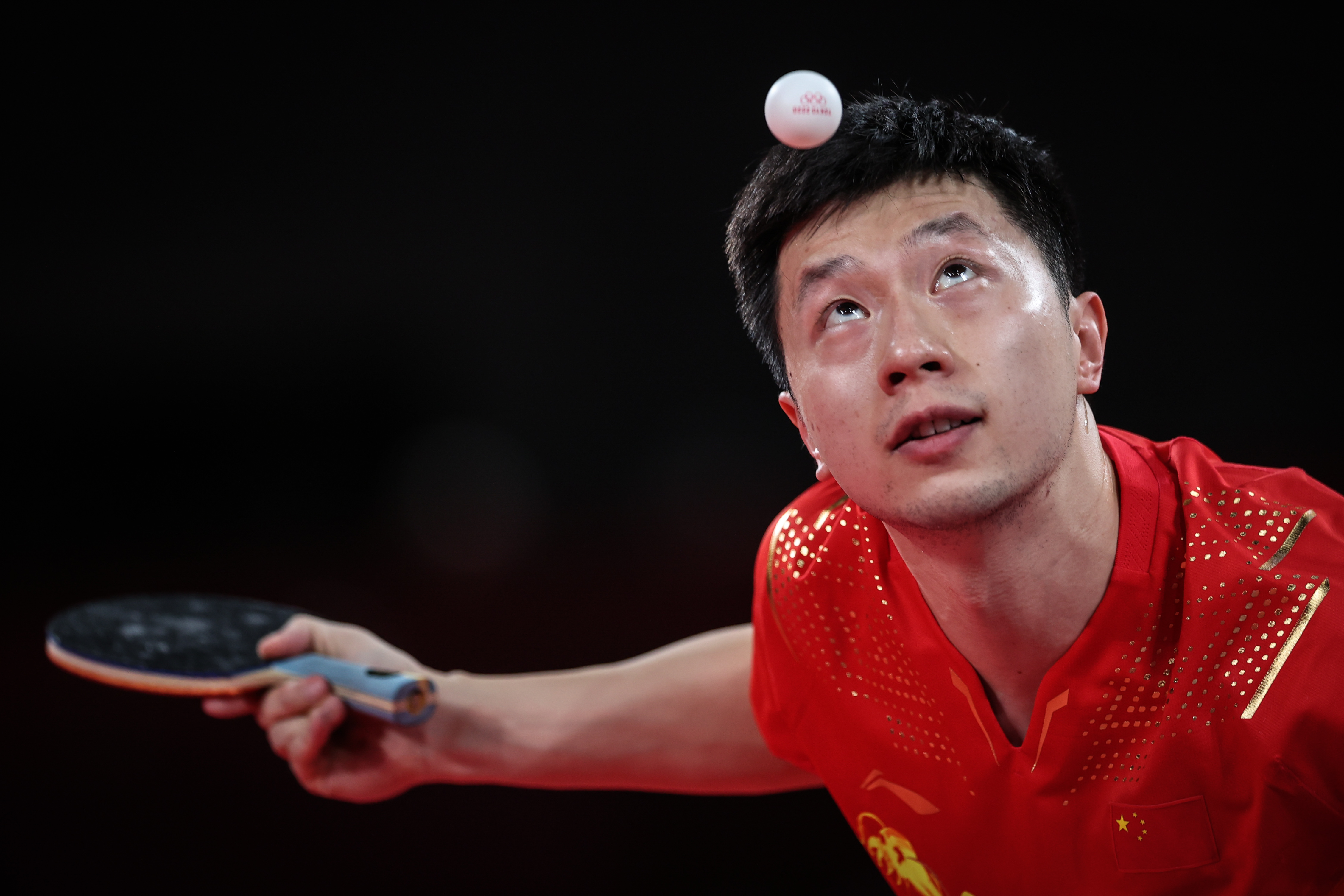
Career Highlights
Ma Long, known as the "Dragon," is widely regarded as the greatest table tennis player of all time. He has dominated the sport for over a decade, winning every major title multiple times and establishing himself as a true legend of the game.
Ma Long made his Olympic debut at the 2012 London Games, winning gold in the team event. He repeated this success at the 2016 Rio Olympics, where he also won his first individual gold medal in the men's singles. At the 2020 Tokyo Olympics, Ma Long became the first male table tennis player to defend his singles title, while also winning another team gold.
In addition to his Olympic success, Ma Long has won a record 26 World Championship medals, including 5 singles titles. He is the only player in history to have completed the "Double Grand Slam" (winning the Olympics, World Championships, and World Cup twice in singles). Known for his exceptional technique, tactical intelligence, and mental strength, Ma Long has revolutionized table tennis and set new standards of excellence for future generations.
Deep Analysis
Beyond the rankings, our analysis reveals fascinating insights into the nature of Olympic greatness and the factors that contribute to lasting athletic legacy.
Medal Distribution by Sport
Olympic Games Timeline
Gender Distribution
Regional Distribution
Key Insights
Sport Specialization vs. Versatility
Our analysis reveals that the most successful Olympians tend to be either highly specialized in a single discipline (like Ma Long in table tennis) or exceptionally versatile across multiple events (like Carl Lewis in track and field). This suggests that there are multiple paths to Olympic greatness, depending on the athlete's natural abilities and chosen sport.
Era Effects on Achievement
Athletes from different eras face different challenges, including varying levels of competition, training methods, and technological advancements. While it's difficult to make direct comparisons across eras, our analysis suggests that the most exceptional athletes transcend their historical context and would likely excel in any era.
Longevity and Consistency
Perhaps the most distinguishing characteristic of the athletes in our top 10 is their remarkable longevity and consistency at the highest level. Athletes like Birgit Fischer, who competed in six Olympic Games over 24 years, demonstrate that sustainable excellence is often more impressive than fleeting brilliance.
Cultural and Geographic Factors
Our analysis shows that certain regions and countries have produced a disproportionate number of legendary Olympians, often reflecting strong sporting traditions, investment in athlete development, and cultural emphasis on athletic achievement. However, true greatness can emerge from any background, as demonstrated by athletes like Paavo Nurmi from Finland.
Comparative Analysis
| Athlete | Sport | Gold | Silver | Bronze | Games | Era |
|---|---|---|---|---|---|---|
| Michael Phelps | Swimming | 23 | 3 | 2 | 4 | 2000-2016 |
| Larisa Latynina | Gymnastics | 9 | 5 | 4 | 3 | 1956-1964 |
| Paavo Nurmi | Athletics | 9 | 3 | 0 | 3 | 1920-1928 |
| Mark Spitz | Swimming | 9 | 1 | 1 | 2 | 1968-1972 |
| Carl Lewis | Athletics | 9 | 1 | 0 | 4 | 1984-1996 |
| Bjørn Dæhlie | Cross-Country Skiing | 8 | 4 | 0 | 3 | 1992-1998 |
| Birgit Fischer | Canoeing | 8 | 4 | 0 | 6 | 1980-2004 |
| Jenny Thompson | Swimming | 8 | 3 | 1 | 4 | 1992-2004 |
| Matt Biondi | Swimming | 8 | 2 | 1 | 3 | 1984-1992 |
| Ma Long | Table Tennis | 5 | 0 | 0 | 3 | 2012-2020 |
Fun Facts & Trivia
Discover some fascinating and unexpected facts about these legendary Olympians that go beyond their athletic achievements.
Phelps' Unique Physiology
Michael Phelps has several physical attributes that make him uniquely suited for swimming: his arm span is 6'7" (3 inches longer than his height), his feet are size 14, and he can rotate his shoulders 180 degrees. He also produces less lactic acid than most athletes, allowing him to recover faster between races.
From Olympian to Doctor
After retiring from competitive swimming, Jenny Thompson attended medical school at Columbia University and became an anesthesiologist. She has stated that the discipline and work ethic required for Olympic success helped her through the rigors of medical training.
Global Impact
Carl Lewis' impact extends beyond athletics. He was instrumental in raising awareness about the importance of clean competition and has been a vocal advocate against performance-enhancing drugs. He has also worked as a Goodwill Ambassador for the United Nations and has been involved in numerous charitable causes.
The Longest Career
Birgit Fischer's Olympic career spanned an remarkable 24 years, from the 1980 Moscow Games to the 2004 Athens Games. During this time, she competed for both East Germany and unified Germany, winning her first gold medal at age 18 and her last at age 42.
Record-Breaking Books
Paavo Nurmi's training methods were so innovative that he published a book about them in 1925, titled "Jogging." He was also the subject of numerous books and documentaries, and his biography "The Flying Finn" is considered a classic in sports literature.
Hollywood Connection
Mark Spitz's fame after the 1972 Olympics was so great that he was offered a role as James Bond in the film "Live and Let Die." He declined the offer, later saying he didn't think he could live up to Sean Connery's portrayal of the character.
Discussion Topic: The Greatest of All Time
Our ranking methodology considers numerous factors, but the question of "who is the greatest Olympian of all time" ultimately involves subjective judgment. Michael Phelps' unprecedented medal count makes a strong case, but others might argue for athletes like Carl Lewis or Larisa Latynina who dominated their sports in different eras and under different conditions.
What criteria do you think should be most important in determining the greatest Olympian? Is it medal count, dominance in their sport, longevity, or impact beyond athletics?