
Understanding Animal Intelligence
Measuring intelligence across different species is a complex endeavor. Unlike humans, where IQ tests provide a standardized measure, animal intelligence manifests in diverse ways adapted to their ecological niches. This analysis compiles data from over 20 scientific studies to create a comprehensive ranking of the world's smartest animals.
Key Insights
- Intelligence is not solely determined by brain size, but by brain-to-body ratio and neuron density
- Self-awareness, tool use, and social complexity are key indicators of advanced cognition
- Some bird species demonstrate cognitive abilities comparable to great apes
- Octopuses represent a form of intelligence that evolved entirely separately from vertebrates
Our Methodology
Data Sources
Our analysis draws from diverse scientific sources to ensure comprehensive coverage:
Peer-Reviewed Research
Journals including Animal Cognition, PNAS, and Nature Neuroscience
Scientific Institutions
Harvard University, Max Planck Institute, and Jane Goodall Institute
Behavioral Studies
Long-term observational research in natural habitats
Laboratory Experiments
Controlled tests measuring problem-solving, memory, and learning
Evaluation Criteria
Animals were scored across 10 key dimensions of intelligence:
| Criteria | Description | Example Species |
|---|---|---|
| Self-Awareness | Ability to recognize oneself in a mirror (Mirror Test) | Chimpanzees, Dolphins, Elephants |
| Tool Use | Manufacturing and using tools to solve problems | Chimpanzees, Crows, Orangutans |
| Problem Solving | Ability to solve novel problems and puzzles | Ravens, Octopuses, Pigs |
| Social Complexity | Complex social structures and relationships | Elephants, Dolphins, Chimpanzees |
| Communication | Sophisticated vocalizations or sign systems | Dolphins, Parrots, Chimpanzees |
| Memory | Long-term memory and recall abilities | Elephants, Dolphins, Pigeons |
| Learning Capacity | Ability to learn from observation and experience | Dogs, Pigs, Chimpanzees |
| Numerical Ability | Understanding of quantities and basic math | Chimpanzees, Dolphins, Parrots |
| Brain-to-Body Ratio | Relative brain size compared to body mass | Humans, Dolphins, Tree Shrews |
| Neural Complexity | Neuron density and brain structure complexity | Chimpanzees, Dolphins, Ravens |
The Top 10 Smartest Animals
Overall Intelligence Scores
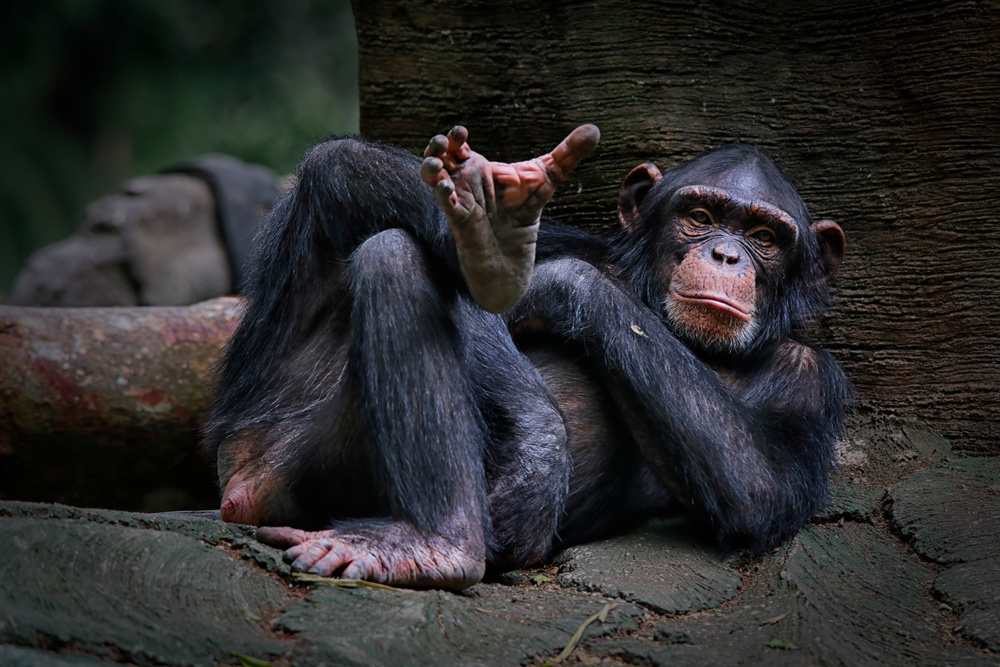
Chimpanzee
Our closest living relatives, sharing 98.7% of human DNA

Dolphin
Marine mammals with complex social structures and communication
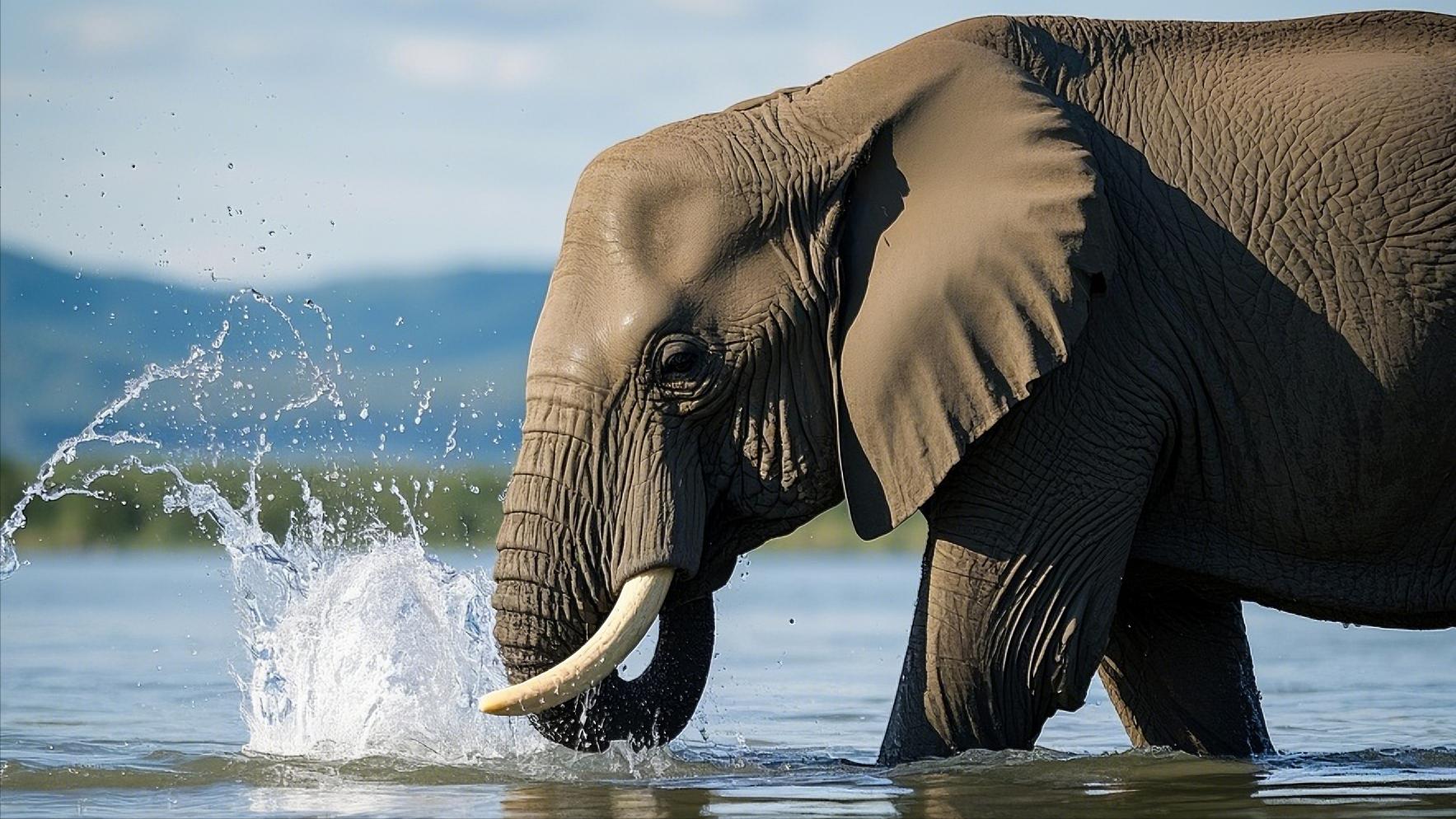
Elephant
The largest land mammals with remarkable memory and empathy
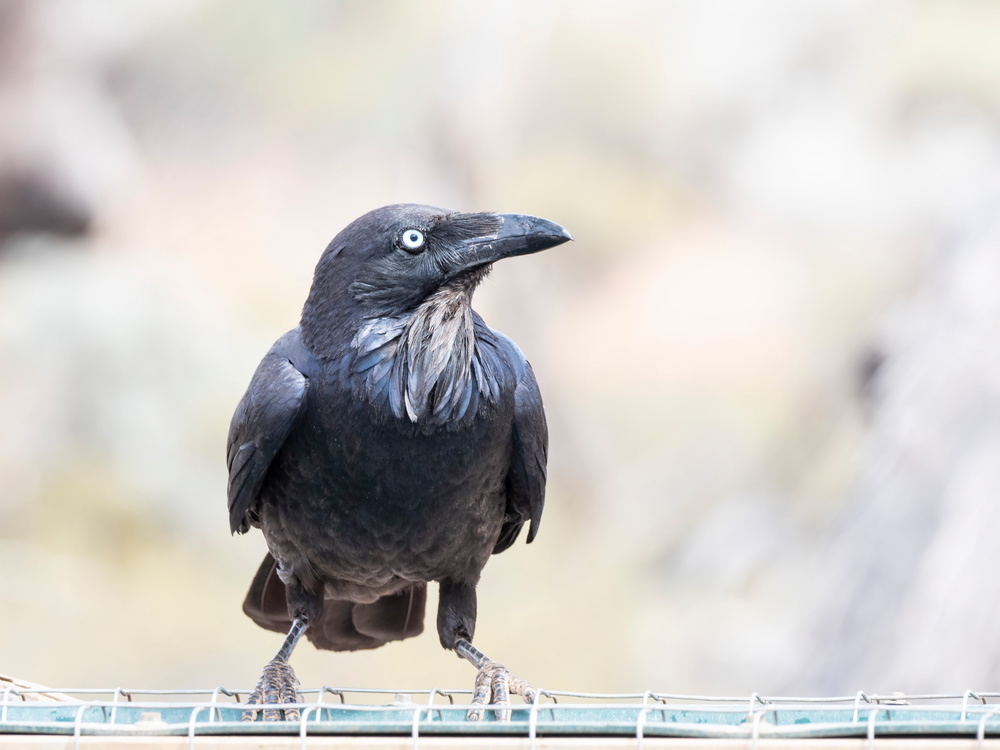
Raven
Members of the corvid family known for exceptional problem-solving
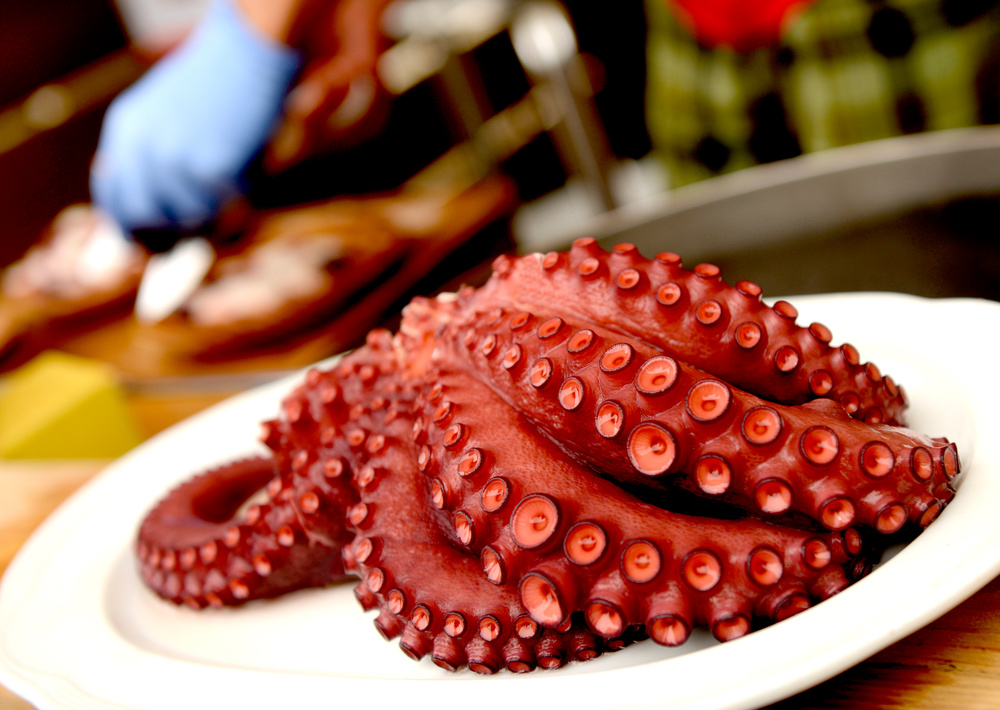
Octopus
Invertebrates with remarkable problem-solving and escape abilities
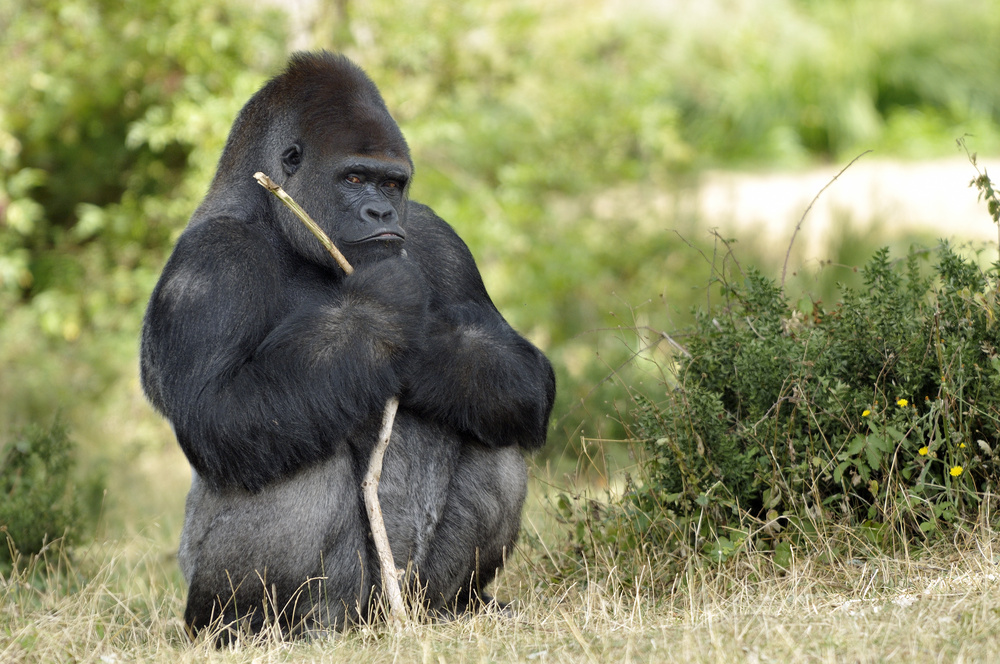
Gorilla
The largest primates with advanced communication skills
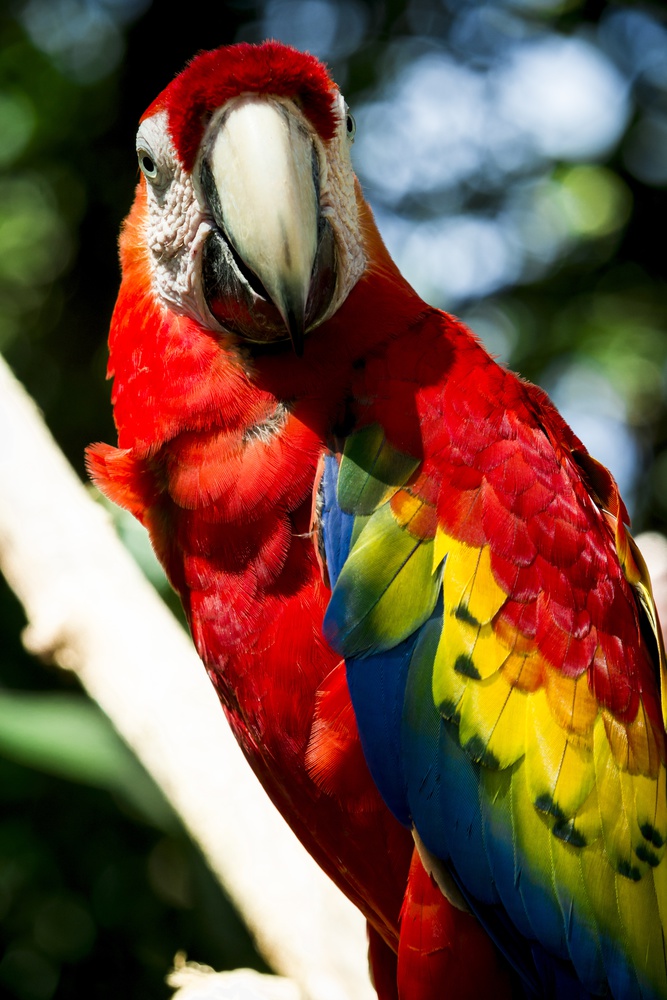
Parrot
Birds known for exceptional vocal mimicry and cognitive abilities
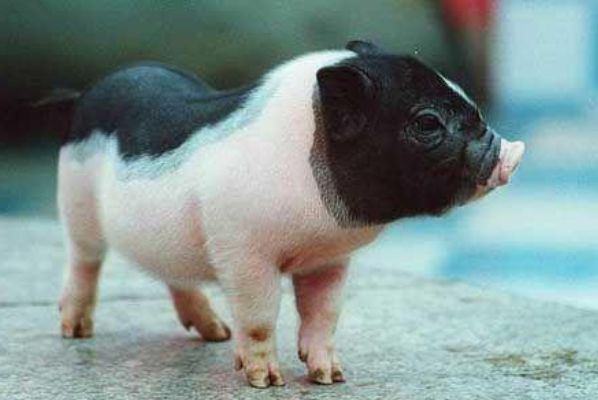
Pig
Domesticated animals with surprising intelligence and social skills
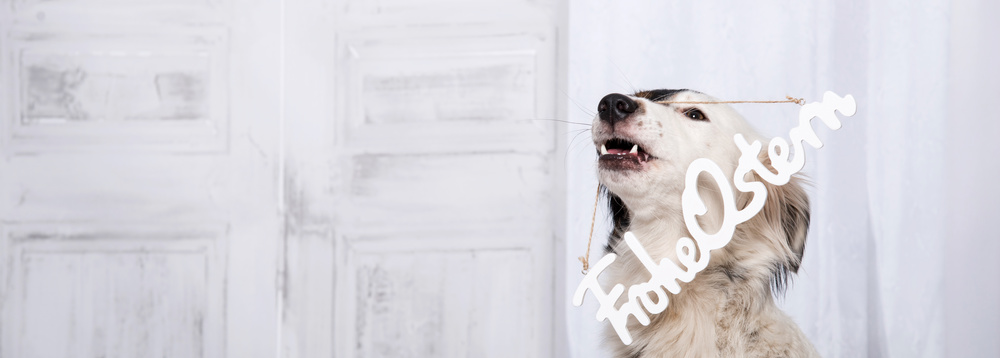
Dog
Man's best friend with exceptional social intelligence
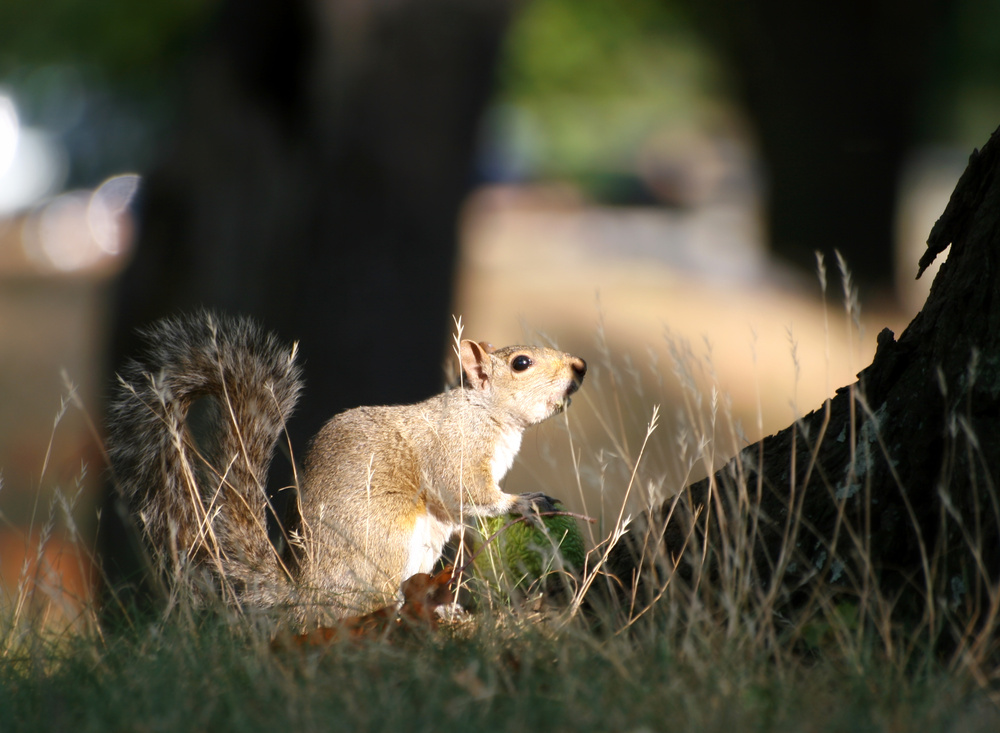
Squirrel
Small rodents with remarkable memory and problem-solving skills
Detailed Analysis
Intelligence by Category
Brain Metrics Comparison
Intelligence by Animal Class
Memory vs Problem Solving Abilities
Intelligence Trend by Brain Size
Neuron Count Comparison
Intelligence Distribution by Category
Key Findings
Convergent Evolution
Birds (particularly corvids and parrots) and mammals have evolved similar cognitive abilities independently, despite different brain structures. This demonstrates that intelligence can emerge through different evolutionary pathways.
Social Intelligence
The top-ranked animals all exhibit complex social structures. This suggests that social complexity may be a major driver in the evolution of advanced cognitive abilities.
Brain Size vs. Efficiency
While absolute brain size correlates with intelligence, the brain-to-body ratio and neuron density are better predictors. For example, elephants have larger brains than humans but lower neuron density in the cerebral cortex.
Tool Use
Tool use was once considered uniquely human but is now observed in many species. The sophistication of tool use varies, with chimpanzees and crows demonstrating particularly advanced capabilities.
Fun & Interactive
Surprising Facts
Octopus Escape Artists
Octopuses are notorious escape artists. At the National Aquarium of New Zealand, an octopus named Inky escaped by squeezing through a small gap in his tank, crawling across the floor, and sliding down a 164-foot drainpipe into the ocean.
Ravens' Multi-Step Problem Solving
In a study at Lund University, ravens solved an eight-step puzzle on their first attempt without any training. They used tools in sequence, demonstrating planning and understanding of cause and effect.
Pigs' Emotional Intelligence
Pigs exhibit emotional contagion, empathy, and even cognitive bias (optimism/pessimism). They form close bonds with other pigs and humans, and studies show they can recognize themselves in mirrors.
Dolphins' Signature Whistles
Each dolphin develops a unique "signature whistle" by its first birthday. This functions like a name, allowing individuals to identify and communicate with each other across long distances.
Test Your Knowledge
Understanding Animal Intelligence
Our analysis reveals that intelligence in the animal kingdom is diverse and multifaceted. The top performers share common traits like complex social structures, problem-solving abilities, and adaptability, but each species exhibits unique cognitive strengths adapted to their environment.
As we continue to study animal cognition, we gain not only a deeper appreciation for the natural world but also insights into the evolutionary roots of our own intelligence.