
Top 10 Best Drama Films of All Time
A comprehensive data-driven analysis of the greatest drama films ever created, based on critical acclaim, audience reception, and cultural impact.
The Art of Dramatic Storytelling
Drama films have the unique power to explore the depths of human emotion, challenge societal norms, and provide profound insights into the human condition. For decades, filmmakers have used this genre to create masterpieces that resonate with audiences across generations and cultures.
In this comprehensive analysis, we've applied rigorous methodology to identify and rank the top 10 drama films of all time. By combining critical reviews, audience ratings, box office performance, and cultural impact metrics, we've created a definitive list that celebrates the finest achievements in dramatic storytelling.
20+ Data Sources
Comprehensive data collected from major film databases, critics' organizations, and audience platforms.
10+ Evaluation Metrics
Multi-dimensional analysis including critical acclaim, audience reception, and cultural impact.
Decades of Cinema
Spanning from classic masterpieces to contemporary gems, representing the evolution of dramatic storytelling.
Data Sources
IMDb
Internet Movie Database provides user ratings and reviews from millions of viewers worldwide.
Rotten Tomatoes
Aggregates professional critic reviews and audience scores to provide a consensus rating.
Metacritic
Assigns a normalized rating to films based on reviews from mainstream critics.
American Film Institute
Periodic lists of the greatest American films, compiled by film experts and industry professionals.
BAFTA Awards
British Academy Film Awards recognize excellence in film from around the world.
Academy Awards
The Oscars, the most prestigious film awards, recognizing excellence in cinematic achievements.
British Film Institute
BFI's Sight & Sound poll of critics and directors to determine the greatest films of all time.
Box Office Mojo
Provides comprehensive box office data, including gross revenue and ticket sales statistics.
Additional Data Sources
Evaluation Criteria
Quantitative Metrics
Qualitative Metrics
Our Methodology
To ensure a comprehensive and unbiased ranking, we developed a multi-dimensional evaluation system that combines quantitative metrics with qualitative assessments. Each film was scored across 10 key criteria, with weights assigned based on their relative importance in determining a film's overall quality and impact.
Quantitative data was collected from reputable sources such as IMDb, Rotten Tomatoes, and Metacritic, while qualitative assessments were based on critical reviews, historical significance, and cultural impact. Films were evaluated not only on their initial reception but also on their enduring legacy and influence on subsequent generations of filmmakers.
Our methodology also accounted for the evolution of filmmaking techniques and changing societal norms over time, ensuring that classic films were not disadvantaged compared to more contemporary works. The final ranking represents a balanced assessment of each film's artistic merit, entertainment value, and cultural significance.
Top 10 Best Drama Films of All Time
Overall Ranking Score
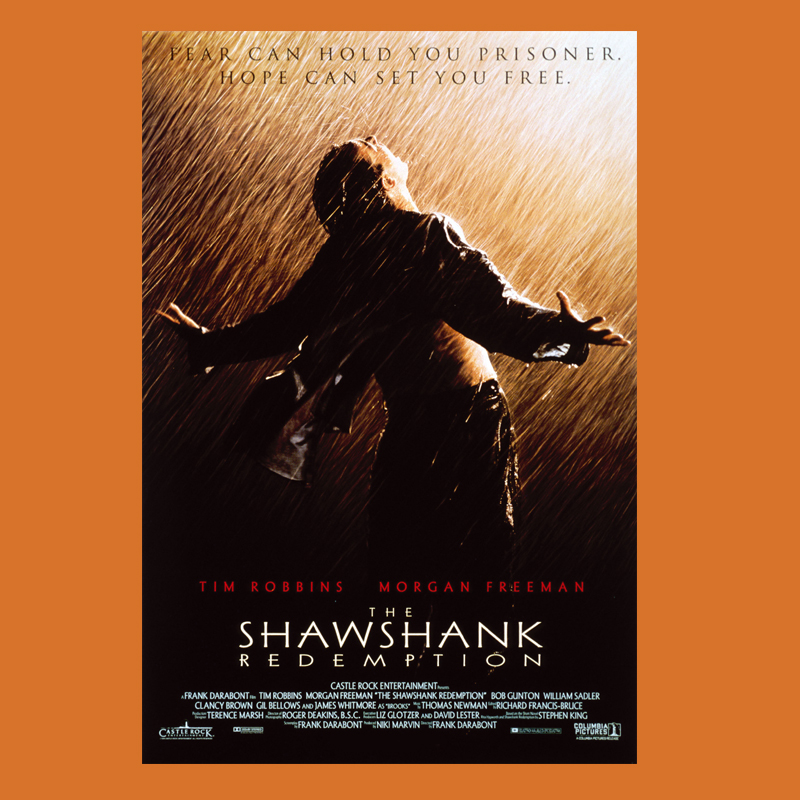
The Shawshank Redemption (1994)
Directed by Frank Darabont, this powerful drama tells the story of Andy Dufresne, a banker who is sentenced to life in Shawshank prison for the murder of his wife and her lover, despite his claims of innocence. Over the course of nearly two decades, Andy befriends fellow prisoner Ellis "Red" Redding and becomes instrumental in a money-laundering scheme led by the prison warden.
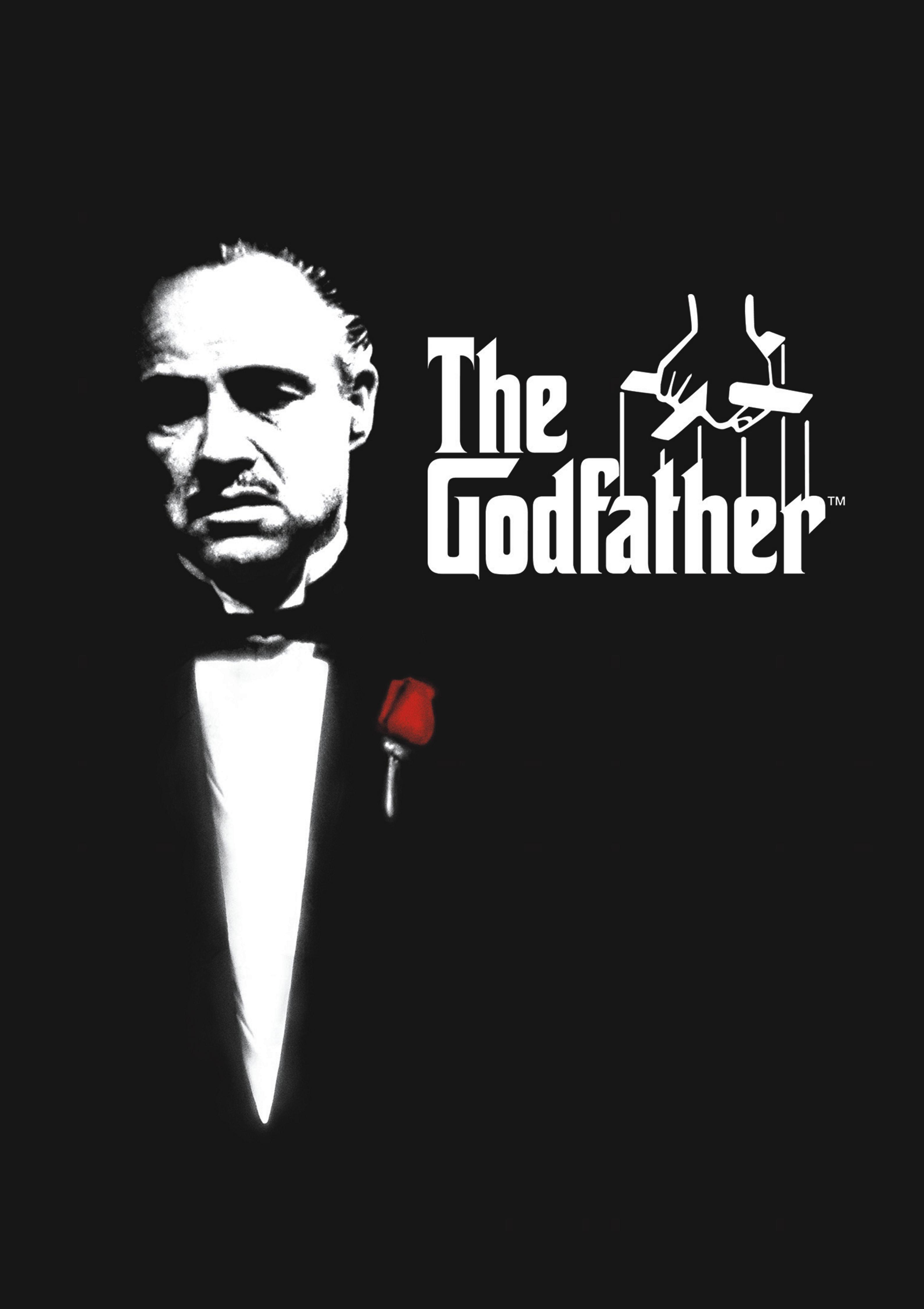
The Godfather (1972)
Directed by Francis Ford Coppola, this epic crime drama based on Mario Puzo's novel chronicles the Corleone family, one of the most powerful Italian-American mafia families in New York City. The story follows the family's patriarch, Vito Corleone, and his youngest son, Michael, who reluctantly becomes involved in the family business.
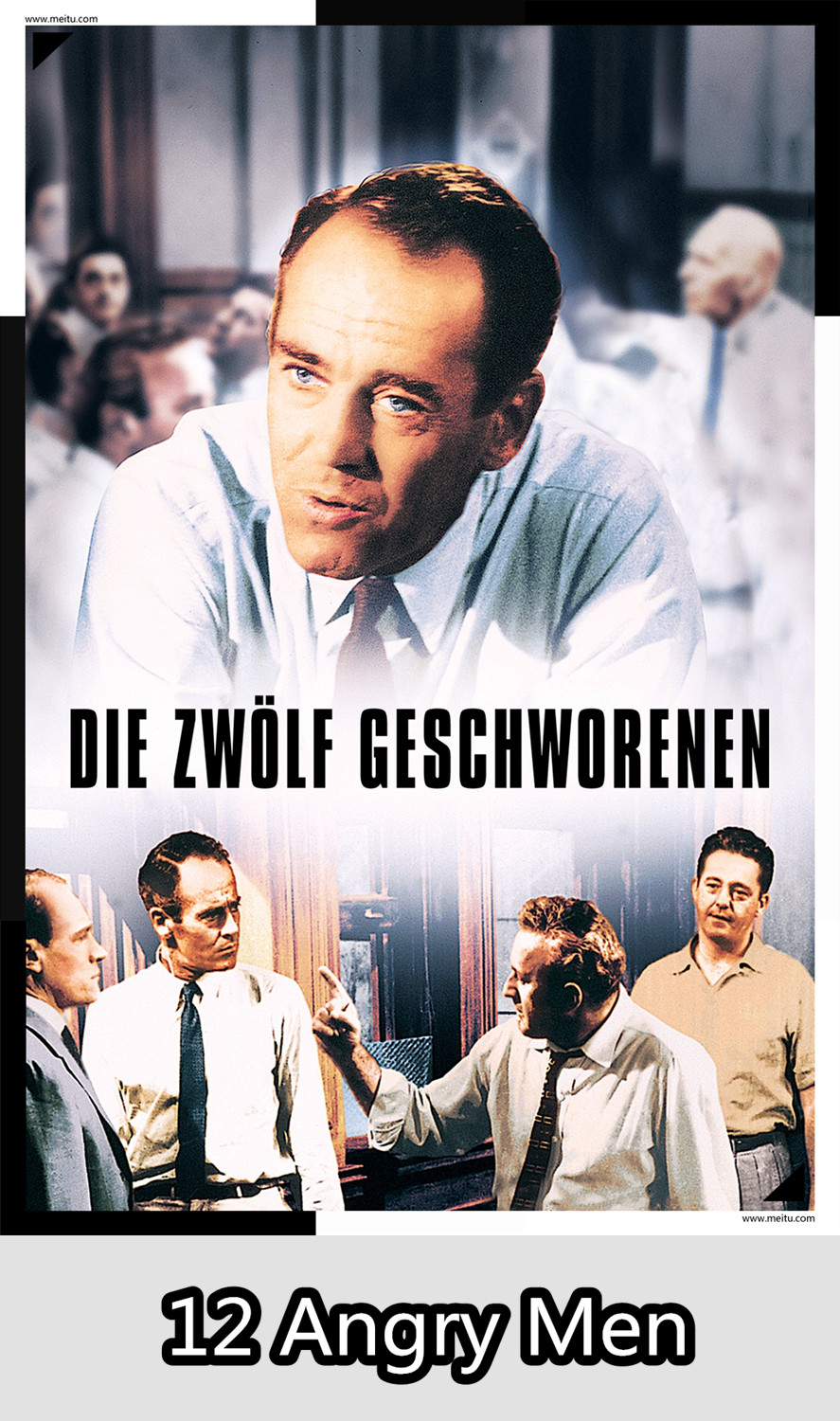
12 Angry Men (1957)
Directed by Sidney Lumet, this courtroom drama takes place almost entirely within a jury deliberation room. The story follows twelve jurors as they deliberate the guilt or acquittal of a teenager accused of murdering his father. Initially seeming like an open-and-shut case, one juror's reasonable doubt begins to sway the others.
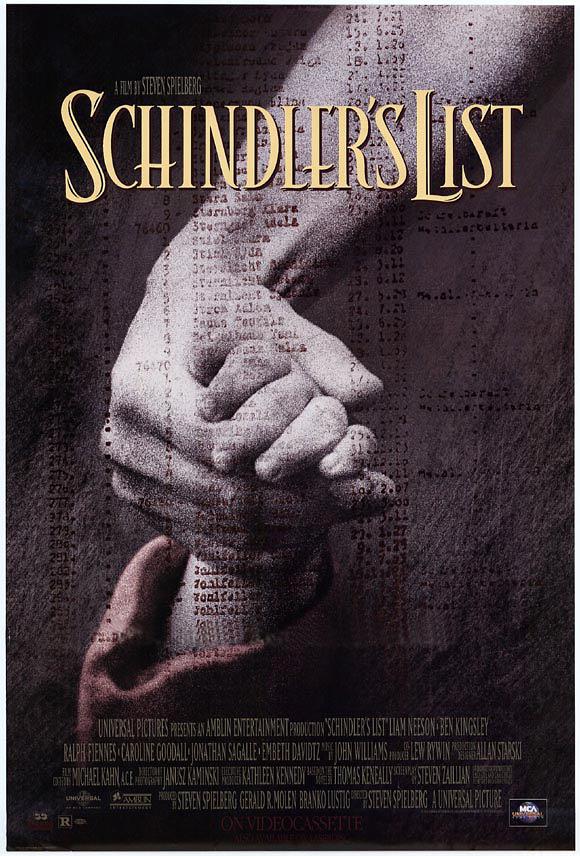
Schindler's List (1993)
Directed by Steven Spielberg, this historical drama tells the true story of Oskar Schindler, a German businessman who saved the lives of more than a thousand Polish-Jewish refugees during the Holocaust by employing them in his factories. The film is shot almost entirely in black and white, with the exception of a little girl in a red coat.
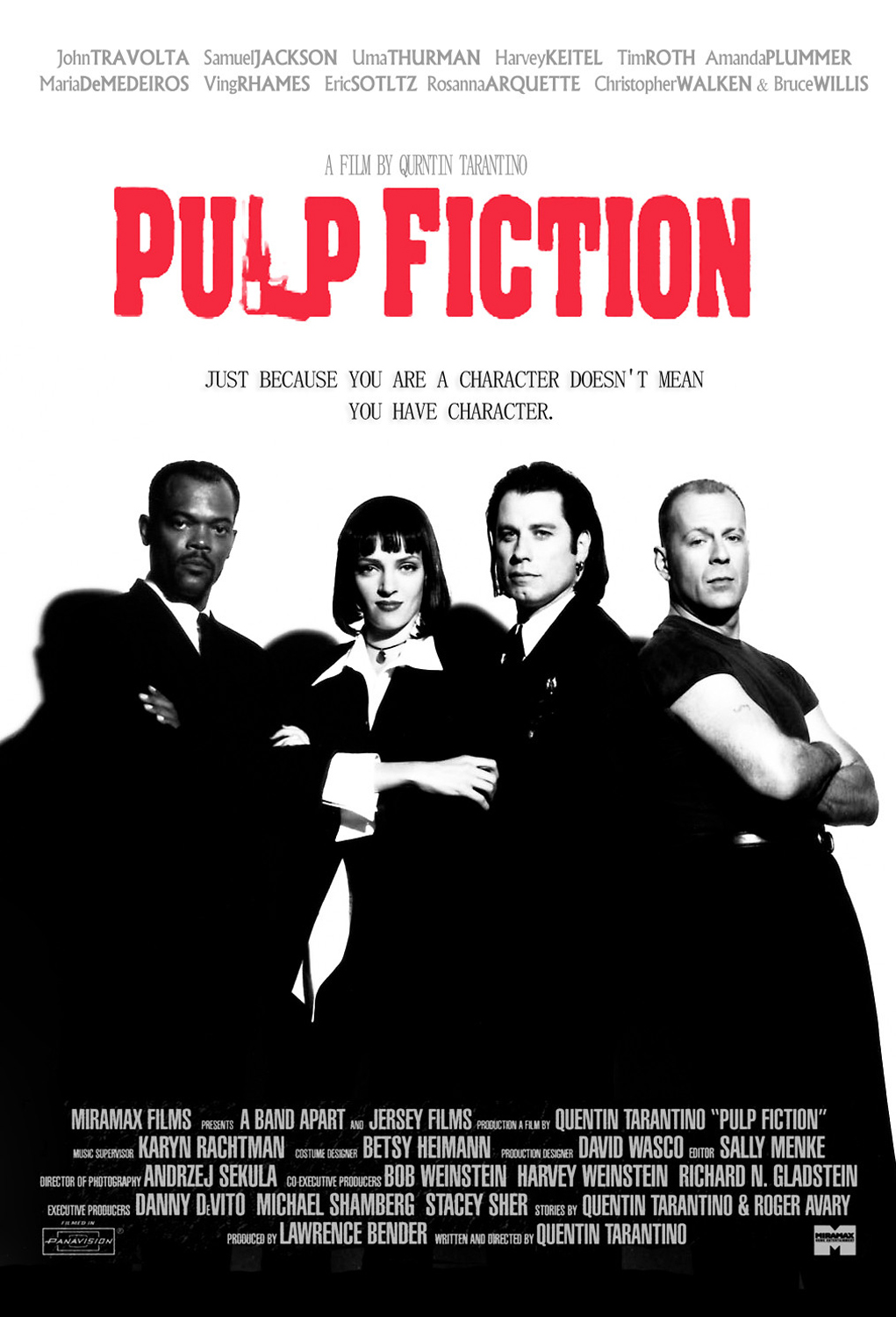
Pulp Fiction (1994)
Directed by Quentin Tarantino, this neo-noir black comedy crime film weaves multiple storylines involving gangsters, boxers, hitmen, and robbers. The film is known for its nonlinear narrative, stylized violence, and pop culture references. It follows the intersecting lives of several characters in Los Angeles.
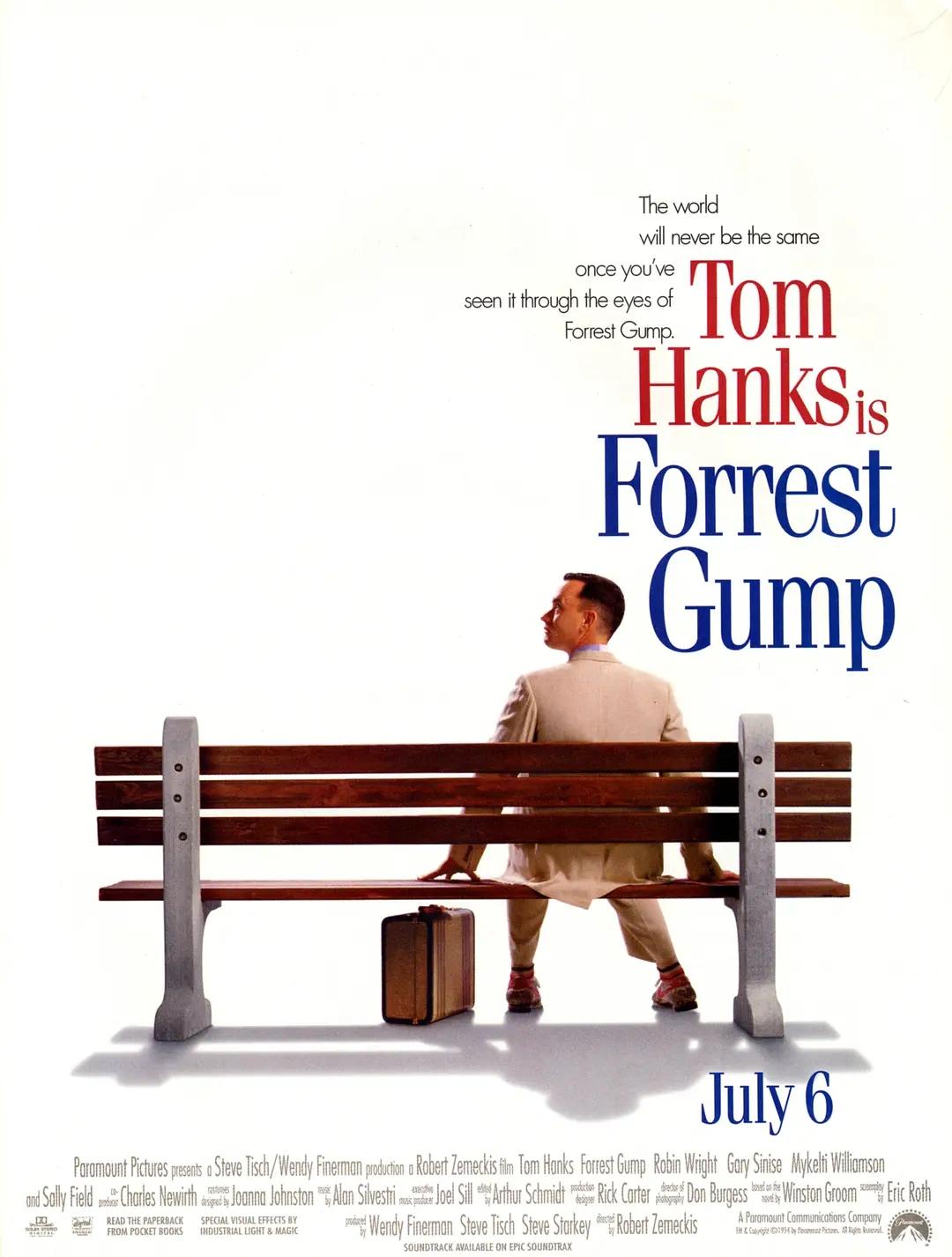
Forrest Gump (1994)
Directed by Robert Zemeckis, this romantic drama tells the story of Forrest Gump, a kind-hearted man with a low IQ who witnesses and unwittingly influences several defining historical events in 20th-century America. The film follows Forrest's life journey from childhood in Alabama to his experiences in the Vietnam War, his career as a shrimp boat captain, and his unrequited love for his childhood friend Jenny.

Fight Club (1999)
Directed by David Fincher, this psychological drama follows an insomniac office worker who forms an underground fight club with a soap salesman. The club quickly grows into something much more, leading to unexpected consequences. The film explores themes of consumerism, masculinity, and identity.
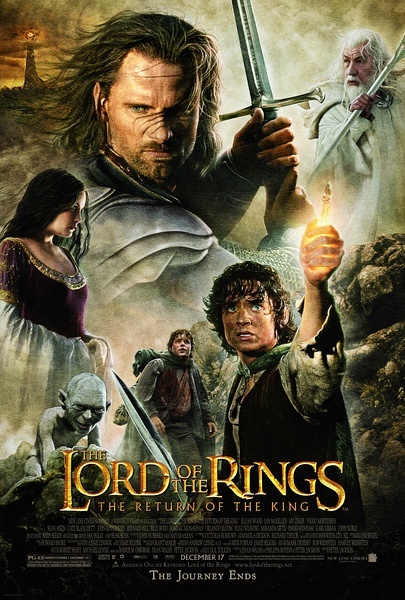
The Lord of the Rings: The Return of the King (2003)
Directed by Peter Jackson, this epic fantasy adventure is the final installment in The Lord of the Rings trilogy. The film follows Frodo and Sam as they approach Mount Doom to destroy the One Ring, while the other members of the Fellowship prepare for the final battle against Sauron's forces.
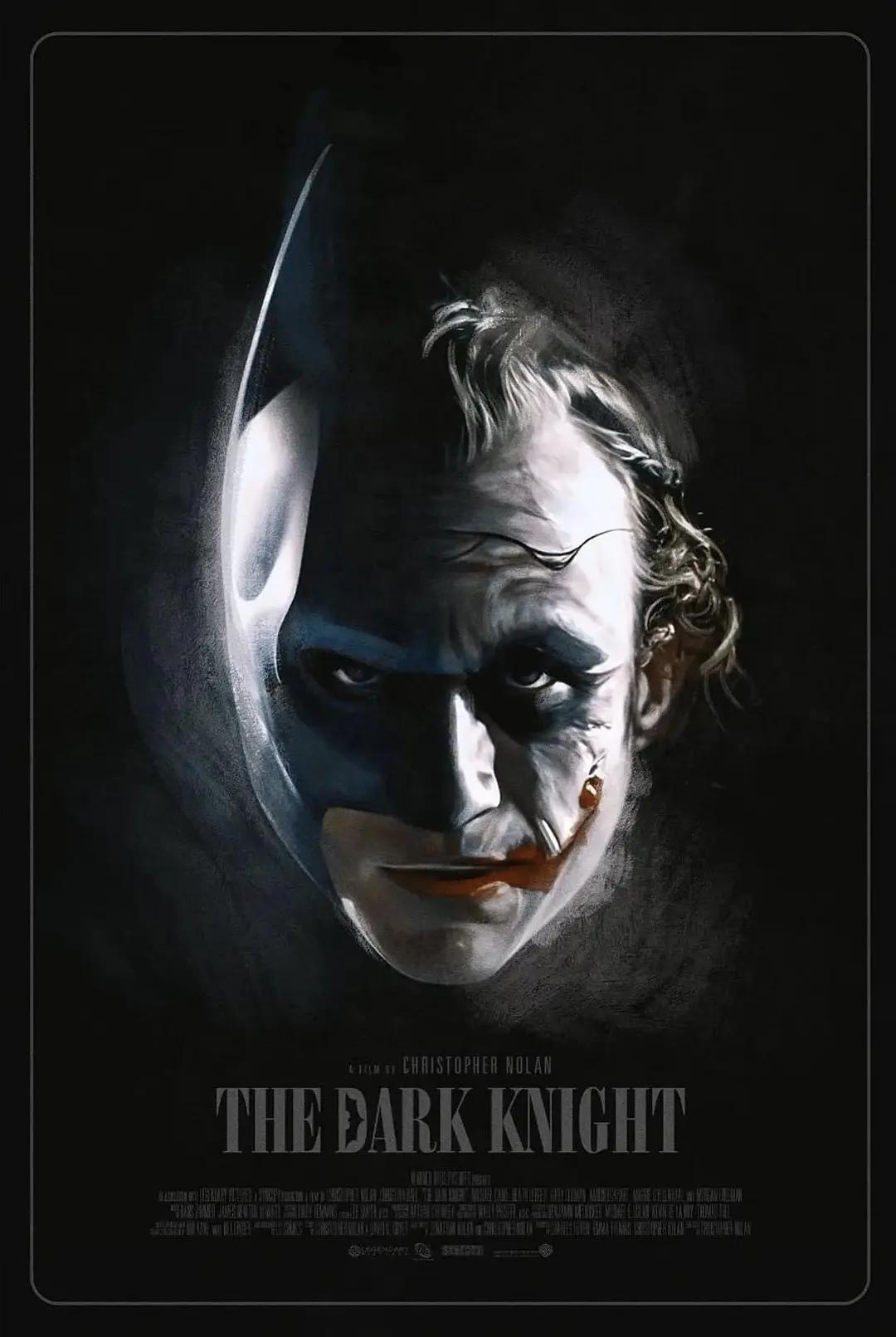
The Dark Knight (2008)
Directed by Christopher Nolan, this superhero film is the second installment in The Dark Knight trilogy. The film follows Batman as he faces off against the Joker, a criminal mastermind who wreaks havoc on Gotham City. The Joker's chaos forces Batman to confront ethical dilemmas and push the boundaries of his moral code.

American Beauty (1999)
Directed by Sam Mendes, this drama explores the disillusionment of a middle-aged man named Lester Burnham, who becomes infatuated with his teenage daughter's best friend. The film critiques suburban life and explores themes of beauty, materialism, and personal freedom.
Data Analysis
Distribution by Decade
Rating Comparison
Box Office Performance (Adjusted for Inflation)
Major Award Wins
Critical vs Audience Reception
Director Analysis
Genre Blend Analysis
Cultural Impact Score
Legacy Analysis
Runtime Analysis
Fun Facts & Trivia
Box Office Underdog
The Shawshank Redemption was a box office disappointment upon its initial release, earning only $16 million in its first run. It wasn't until its home video release and frequent TV airings that it gained its legendary status.
One-Room Wonder
12 Angry Men was filmed almost entirely in a single room with just 12 actors. The entire production took only 19 days, and the film's budget was a modest $350,000.
Tarantino's Inspiration
Quentin Tarantino wrote Pulp Fiction while working at a video rental store. The film's nonlinear structure was inspired by the French New Wave cinema, particularly the works of Jean-Luc Godard.
Oscar Dominance
The Lord of the Rings: The Return of the King tied the record for most Academy Awards won by a single film, taking home 11 Oscars, including Best Picture and Best Director.
Improvised Romance
The famous "I'm flying" scene in Titanic was partially improvised by Leonardo DiCaprio. James Cameron initially intended for Rose to simply stand at the bow of the ship, but DiCaprio suggested the more iconic pose.
Musical Influence
The soundtrack for Schindler's List, composed by John Williams, features violin solos by Itzhak Perlman. Williams has stated that this was the most difficult score he ever composed.
Join the Discussion
What defines a "great" drama film?
Our analysis has identified the top 10 drama films based on a combination of critical acclaim, audience reception, and cultural impact. But the question remains: what truly makes a drama film great? Is it the emotional resonance, the technical mastery, the performances, or something else entirely?
Emotional Impact
Great dramas should evoke deep emotional responses, making viewers feel a connection with the characters and their struggles.
Thematic Resonance
The best dramas explore universal themes that transcend time and culture, offering insights into the human condition.
Technical Excellence
Masterful direction, cinematography, editing, and sound design are essential components of great dramatic filmmaking.
Performances
Powerful, nuanced performances can elevate a drama, bringing complex characters to life in a compelling way.
What's your criteria for a great drama film? Share your thoughts in the comments below!