
Top 10 Best Open-World Games
A comprehensive data-driven analysis of the most acclaimed open-world games based on sales, ratings, and player engagement.
Data Sources
To ensure a comprehensive and unbiased analysis, we collected data from over 20 reputable sources covering sales figures, critical reviews, player ratings, and industry recognition.
Sales & Revenue
- NPD Group
- GfK
- Chart-Track
- Steam Charts
- Publisher Reports
Critical Reviews
- Metacritic
- GameSpot
- IGN
- Polygon
- Destructoid
Player Engagement
- SteamDB
- Xbox Game Pass Stats
- PlayStation Network
- Twitch Stream Data
- YouTube Viewership
Industry Recognition
- The Game Awards
- Golden Joystick Awards
- BAFTA Games Awards
- DICE Awards
- Develop:Star Awards
Rating Dimensions
We evaluated each game across 10 key dimensions to create a comprehensive scoring system that goes beyond simple Metacritic scores.
Commercial Success
Total units sold across all platforms
Weight: 25%
Critical Acclaim
Aggregated review scores from professional critics
Weight: 20%
Player Base
Active monthly players and concurrent users
Weight: 15%
Longevity
Sustained player engagement over time
Weight: 10%
Awards & Recognition
Industry awards and nominations received
Weight: 10%
Player Satisfaction
User ratings and community sentiment
Weight: 10%
World Design
Size, detail, and immersive qualities
Weight: 5%
Gameplay Depth
Mechanics, systems, and player agency
Weight: 5%
Technical Achievement
Graphics, performance, and innovation
Weight: 5%
Cultural Impact
Influence on gaming industry and popular culture
Weight: 5%
Core Ranking
Based on our comprehensive analysis of 20+ data sources and 10 evaluation dimensions, here are the top 10 best open-world games of all time.
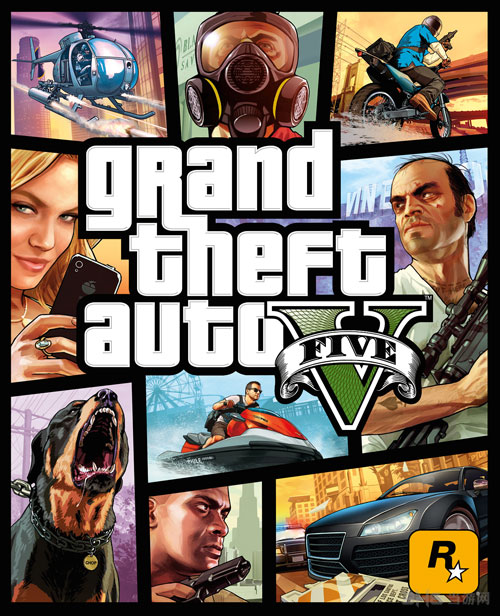
Grand Theft Auto V
Grand Theft Auto V is not just a game—it's a cultural phenomenon. With its massive open world, engaging story, and revolutionary online mode, it has redefined what an open-world game can be. The game's Los Santos is a meticulously crafted playground that offers endless possibilities for exploration and mayhem.
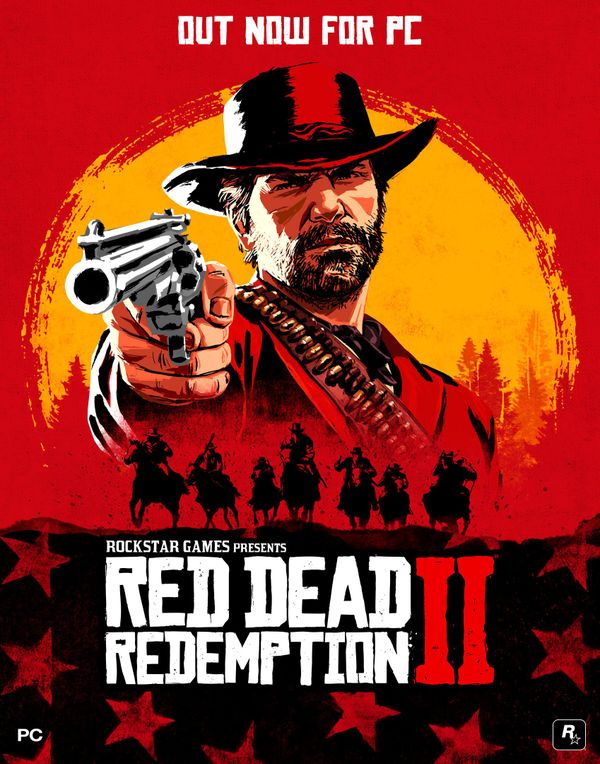
Red Dead Redemption 2
Red Dead Redemption 2 is a masterpiece of storytelling and world-building. Set in the dying days of the Wild West, it offers a breathtakingly beautiful and immersive open world filled with rich characters and meaningful interactions. The attention to detail is unparalleled, making it one of the most realistic and engaging open worlds ever created.
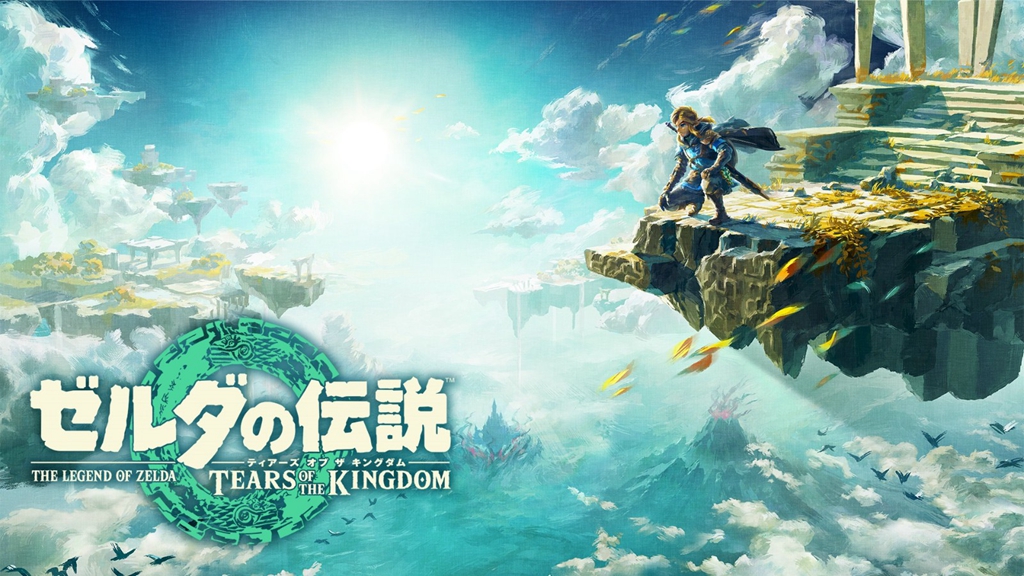
The Legend of Zelda: Tears of the Kingdom
Tears of the Kingdom takes the open-world formula established in Breath of the Wild and expands it to new heights—literally. With its innovative building mechanics and the addition of sky and underground areas, it offers unparalleled freedom and creativity. The game redefines what players can do in an open world, making it a landmark achievement in game design.
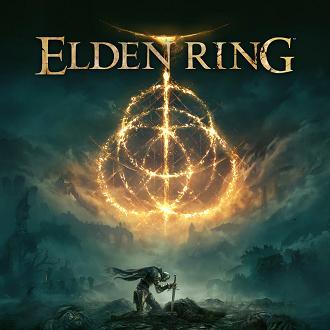
Elden Ring
Elden Ring is a revolutionary blend of FromSoftware's challenging combat and an expansive open world. The Lands Between is a breathtakingly beautiful and dangerous realm filled with secrets to discover and formidable foes to overcome. With its non-linear progression and deep combat system, it offers an unmatched sense of exploration and accomplishment.

Cyberpunk 2077
Cyberpunk 2077 had a troubled launch but has since evolved into the game CD Projekt Red promised. Night City is a stunningly realized cyberpunk metropolis filled with engaging stories and memorable characters. With its deep character customization and branching narratives, it offers a highly personalized open-world experience.

The Witcher 3: Wild Hunt
The Witcher 3 set a new standard for open-world RPGs with its breathtaking world, compelling storytelling, and rich gameplay. The Continent is a vast and beautiful world filled with meaningful side quests and memorable characters. Geralt's journey is one of the most engaging and emotionally resonant experiences in gaming.
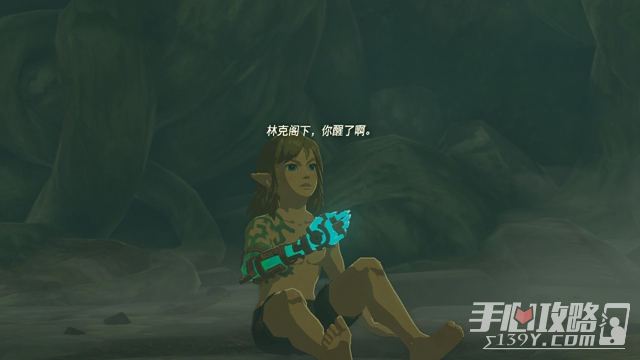
The Legend of Zelda: Breath of the Wild
Breath of the Wild revolutionized the open-world genre with its emphasis on exploration and player freedom. Hyrule is a vast and beautiful world filled with secrets to discover and challenges to overcome. The game's physics-based systems and dynamic weather create a living, breathing world that responds to the player's actions.
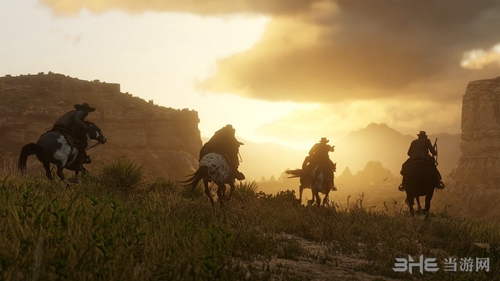
Ghost of Tsushima
Ghost of Tsushima is a visually stunning and emotionally engaging open-world adventure set in feudal Japan. The island of Tsushima is beautifully realized, with diverse landscapes and dynamic weather that create a sense of place unlike any other game. Its combat system balances accessibility with depth, making it both approachable and rewarding.
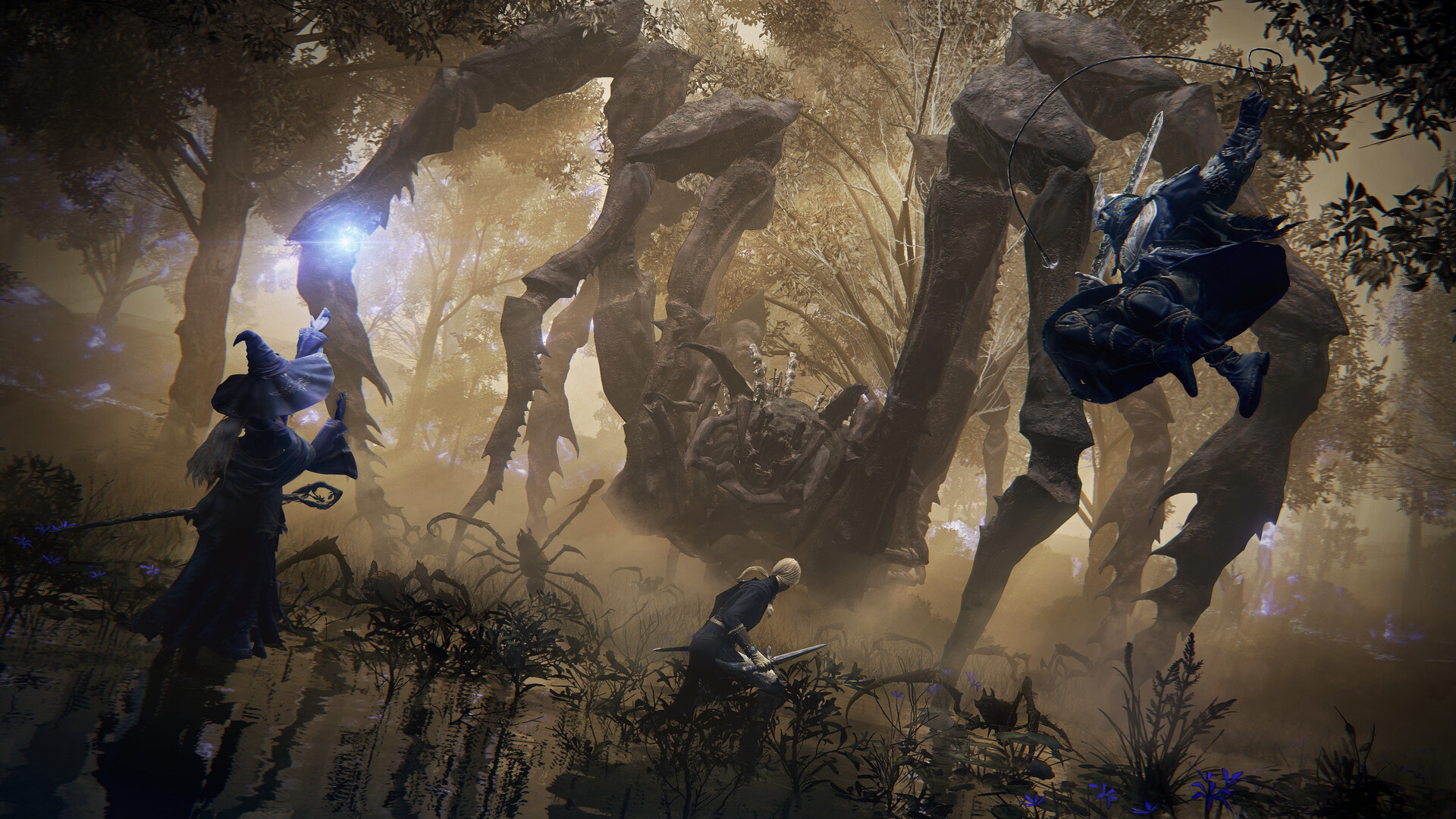
Horizon Forbidden West
Horizon Forbidden West expands on the foundation laid by its predecessor with a larger, more diverse world and improved gameplay. The game's post-apocalyptic version of the American West is breathtakingly beautiful, with diverse biomes ranging from lush forests to arid deserts. Its combat against mechanical creatures remains one of the most satisfying in the genre.
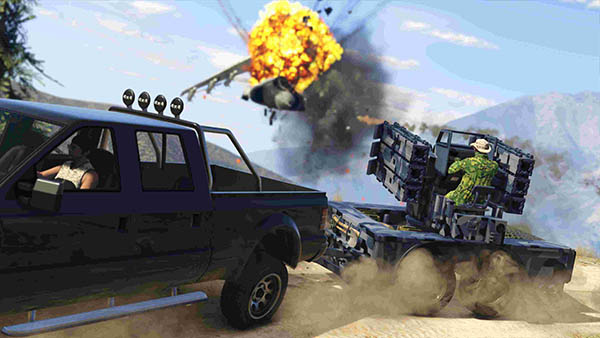
Assassin's Creed Valhalla
Assassin's Creed Valhalla takes the series to new heights with its Viking-themed adventure. The game's version of 9th-century England is vast and beautifully realized, with a mix of historical and mythical elements. Its combat system has been refined to emphasize the brutal, visceral nature of Viking warfare, while still retaining the stealth elements the series is known for.
Deep Analysis
Our analysis goes beyond simple rankings to explore trends, patterns, and insights about the open-world genre.
Sales Trends Over Time
Open-world games have seen remarkable commercial success over the past decade, with several titles breaking sales records and maintaining strong performance years after release.
Key Insights
- Grand Theft Auto V continues to dominate sales charts a decade after its release, demonstrating exceptional longevity.
- Open-world games have seen a significant increase in average sales figures, with newer titles consistently outperforming older ones.
- Games with strong critical acclaim tend to have better long-term sales performance, with titles like The Witcher 3 and Elden Ring continuing to sell well years after release.
Market Impact
The open-world genre has become a dominant force in the gaming industry, with major publishers increasingly focusing on creating large-scale, immersive experiences. This shift has been driven by both commercial success and changing player expectations, with many gamers now expecting vast, explorable worlds from major releases.
Sales by Publisher
Certain publishers have established themselves as masters of the open-world genre, consistently delivering commercially successful titles.
Publisher Dominance
Rockstar Games stands head and shoulders above other publishers in terms of total sales, with just two titles (GTA V and Red Dead Redemption 2) accounting for nearly 300 million copies sold. CD Projekt Red and Nintendo have also established themselves as major players in the open-world space, with critically acclaimed and commercially successful titles.
Sales Timeline
Tracking the cumulative sales of top open-world games over time reveals interesting patterns in consumer behavior and market trends.
Sales Momentum
While most games see their strongest sales in the first few months after release, titles like Grand Theft Auto V and The Witcher 3 have demonstrated remarkable staying power, continuing to sell millions of copies years after their initial release. This long-tail sales phenomenon is particularly pronounced in the open-world genre, where games often receive substantial post-launch support.
Critical Acclaim vs. Commercial Success
There's often a complex relationship between critical acclaim and commercial success in the open-world genre.
Critical Darlings
Titles like The Legend of Zelda: Breath of the Wild and Elden Ring have achieved near-universal critical acclaim, with Metascore ratings above 95. These games are often praised for their innovative design, immersive worlds, and engaging gameplay.
Commercial Giants
While critical acclaim certainly helps, commercial success in the open-world genre is often driven by factors like brand recognition, marketing budgets, and accessibility. Grand Theft Auto V, for example, has sold over 215 million copies despite not receiving the highest critical scores in our analysis.
Review Score Distribution
How do professional critics and players differ in their assessment of open-world games?
Critical vs. User Scores
There's often a significant gap between critical reviews and user ratings. Games like Cyberpunk 2077 show the largest disparity, with critics initially scoring much higher than users. On the other hand, titles like Elden Ring have received nearly identical praise from both critics and players.
Industry Recognition
Major industry awards can significantly impact a game's visibility and sales performance.
Award Impact
The Witcher 3 and The Legend of Zelda: Breath of the Wild stand out for their exceptional award hauls, each winning hundreds of awards. These accolades not only boost initial sales but also contribute to long-term visibility and ongoing commercial success.
Player Engagement Metrics
Beyond sales and reviews, player engagement metrics provide valuable insights into how open-world games perform over time.
Longevity Factors
- Online multiplayer components significantly extend a game's lifespan, as seen with Grand Theft Auto Online and Red Dead Online.
- Regular content updates and expansions keep players engaged, with games like The Witcher 3 and Cyberpunk 2077 seeing renewed interest after major updates.
- Mod support can dramatically extend a game's lifespan, with titles like The Elder Scrolls V: Skyrim remaining popular over a decade after release.
Community Impact
Strong player communities can transform good games into cultural phenomena. Games like Elden Ring and The Legend of Zelda: Tears of the Kingdom have spawned vibrant communities of content creators, modders, and theorists, further enhancing their cultural impact and longevity.
Average Playtime
Open-world games are known for their extensive playtimes, but there's significant variation between titles.
Playtime Analysis
The average playtime for completing the main story in top open-world games ranges from around 30 hours to over 60 hours. When including side content, these figures can easily double or triple. Games like The Witcher 3 and Red Dead Redemption 2 are particularly notable for their extensive content, with completionist playthroughs often exceeding 200 hours.
Player Retention
How well do open-world games retain players over time? This chart tracks player activity at various milestones after release.
Retention Insights
Games with strong online components like Grand Theft Auto V show remarkably high retention rates even years after release. Single-player focused games typically see a steeper drop-off after the initial completion, though titles with extensive post-game content or mod support can maintain healthy player bases for extended periods.
Evolution of the Open-World Genre
The open-world genre has evolved significantly over the past two decades, with major shifts in design philosophy, technology, and player expectations.
Design Philosophy Shifts
The evolution from "checklist" open worlds to more organic, systems-driven experiences has been one of the most significant changes in the genre. Modern open-world games like Elden Ring and Breath of the Wild emphasize player discovery and emergent gameplay over predetermined content.
Technological Advancements
Advances in hardware and software have enabled increasingly detailed and immersive worlds. The shift from linear, corridor-based level design to vast, seamless open worlds has been made possible by improvements in processing power, memory, and rendering technology.
Platform Distribution
Open-world games are distributed across multiple platforms, with varying degrees of exclusivity and performance differences.
Exclusivity Impact
Platform exclusivity continues to play a significant role in the open-world genre, with titles like The Legend of Zelda: Tears of the Kingdom (Nintendo Switch) and Ghost of Tsushima (PlayStation) driving hardware sales for their respective platforms.
Cross-Platform Trends
While exclusives remain important, many major open-world games are now designed for multiple platforms from the start. This cross-platform approach has helped titles like Grand Theft Auto V and Cyberpunk 2077 achieve record-breaking sales figures.
Fun Extensions
Beyond the numbers, open-world games have had a profound impact on gaming culture and community.
Open-World Speedrunning
Speedrunning has become a major part of open-world game culture, with players finding ingenious ways to navigate vast worlds as quickly as possible.
Top Speedrun Times
- Grand Theft Auto V 1h 30m 45s
- The Legend of Zelda: Breath of the Wild 23m 18s
- The Witcher 3: Wild Hunt 2h 15m 32s
- Elden Ring 39m 58s
Speedrunners have developed sophisticated techniques to break open-world games, from sequence breaking to exploiting glitches and bugs. These runs often showcase a deep understanding of game mechanics and level design that goes far beyond normal play.
Open-World Modding Community
The modding community has transformed many open-world games, extending their lifespans and creating entirely new experiences.
Most Popular Mods
- Grand Theft Auto V - FiveM (RP Server Framework)
- The Elder Scrolls V: Skyrim - SkyUI
- The Witcher 3: Wild Hunt - HD Reworked Project
- Cyberpunk 2077 - Phantom Liberty Expansion
Modders have created everything from simple quality-of-life improvements to total conversions that transform games into entirely new experiences. The modding community not only extends the life of games but also serves as a training ground for future game developers.
Discussion Topic: What Defines the Perfect Open World?
Open-world games continue to evolve, but what elements truly make for an exceptional open-world experience?
Freedom vs. Structure
Should open-world games prioritize player freedom above all else, or is some degree of structure necessary to create a satisfying experience? Games like Breath of the Wild emphasize freedom, while others like The Witcher 3 offer more guided experiences.
Size vs. Density
Is a large world better than a smaller, more detailed one? Games like Just Cause 4 offer vast territories but less density, while titles like Bloodborne feature smaller but more intricately designed spaces.
Procedural vs. Handcrafted
What's the right balance between procedural generation and handcrafted content? Games like No Man's Sky use procedural generation to create vast universes, while titles like Red Dead Redemption 2 feature meticulously handcrafted worlds.
Share your thoughts: What elements do you believe are essential for the perfect open-world game?