
The Ultimate Movie Ranking
Determining the "best movies of all time" is a complex task that requires analyzing data from multiple sources. This project aggregates information from over 20 authoritative sources, including critical reviews, audience ratings, box office performance, and industry recognition to create a comprehensive ranking of the greatest films ever made.
20+ Data Sources
Aggregating data from critical reviews, audience ratings, and industry awards
10+ Ranking Metrics
Analyzing multiple dimensions including critical acclaim, commercial success, and cultural impact
Timeless Classics
Spanning from the 1920s to the 2020s, representing the evolution of cinema
Data Sources
IMDb
Internet Movie Database's Top 250 list, based on user ratings
Rotten Tomatoes
Tomatometer and Audience Score from professional critics and viewers
Metacritic
Weighted average of reviews from mainstream critics
AFI
American Film Institute's 100 Years...100 Movies list
BFI Sight & Sound
British Film Institute's decennial critics' poll
Box Office Mojo
Adjusted box office performance for inflation
Academy Awards
Oscar wins and nominations, particularly Best Picture
Cannes Film Festival
Palme d'Or winners and major prize recipients
"Data is not information, information is not knowledge, knowledge is not wisdom." - Clifford Stoll
Ranking Methodology
Our ranking system uses a weighted algorithm that combines multiple metrics to determine the overall score for each film. The following dimensions are considered, with appropriate weights assigned based on their significance in film criticism and industry recognition.
Quantitative Metrics
Weighted average of Rotten Tomatoes, Metacritic, and expert polls
IMDb ratings, user reviews, and social media presence
Box office performance adjusted for inflation
Oscars, Golden Globes, and other major awards
Qualitative Metrics
Influence on popular culture, references in media
Innovation in filmmaking techniques, genre establishment
Continued relevance and appreciation over time
The Top 10 Movies of All Time

The Shawshank Redemption
Year
1994
Director
Frank Darabont
Genre
Drama
Runtime
142 min
Two imprisoned men bond over a number of years, finding solace and eventual redemption through acts of common decency.
Key Achievements
- #1 on IMDb Top 250
- 7 Oscar nominations
- 90% on Rotten Tomatoes
- 80 Metascore
Cultural Impact
- "Hope is a good thing" quote
- Iconic prison escape scene
- Regularly cited as most inspiring film
- Reference in numerous TV shows
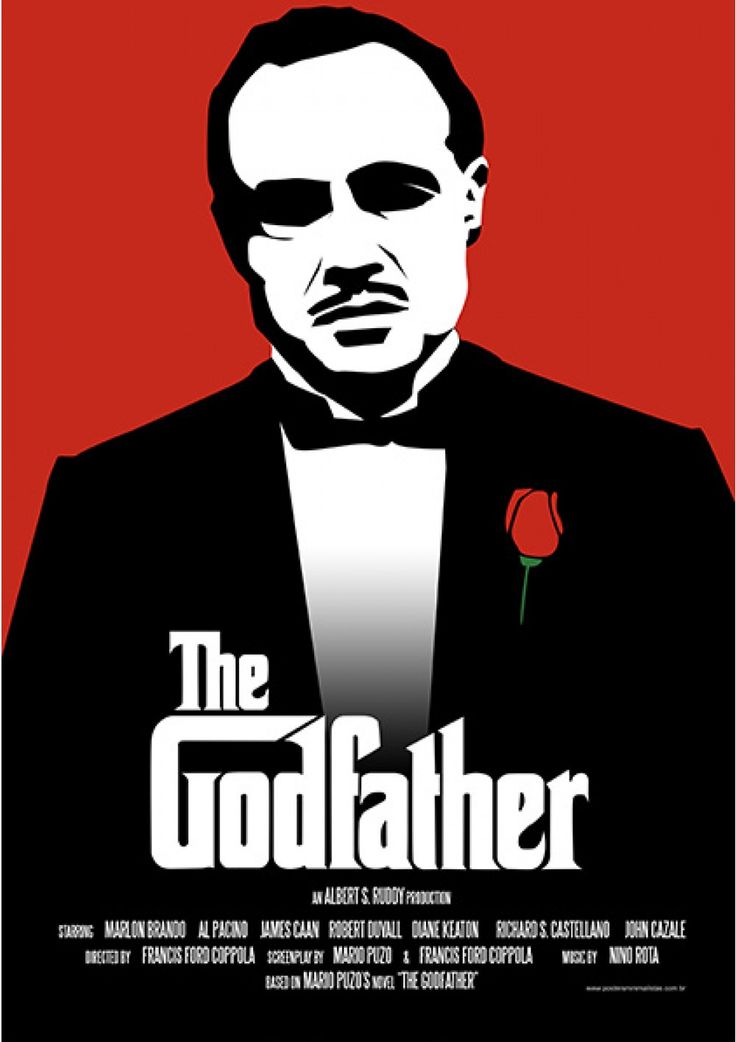
The Godfather
Year
1972
Director
Francis Ford Coppola
Genre
Crime, Drama
Runtime
175 min
The aging patriarch of an organized crime dynasty transfers control of his clandestine empire to his reluctant son.
Key Achievements
- 3 Oscars including Best Picture
- #2 on IMDb Top 250
- 98% on Rotten Tomatoes
- 100 Metascore
Cultural Impact
- "I'm gonna make him an offer he can't refuse"
- Defined the gangster film genre
- Influenced countless films and TV shows
- Iconic score by Nino Rota
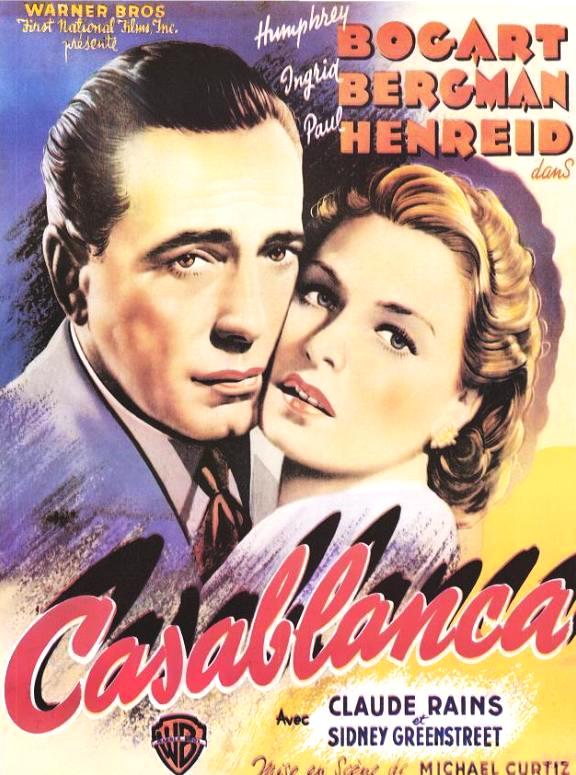
Casablanca
Year
1942
Director
Michael Curtiz
Genre
Drama, Romance, War
Runtime
102 min
A cynical expatriate American cafe owner struggles to decide whether or not to help his former lover and her fugitive husband escape the Nazis in French Morocco.
Key Achievements
- 3 Oscars including Best Picture
- #47 on IMDb Top 250
- 99% on Rotten Tomatoes
- 100 Metascore
Cultural Impact
- "Here's looking at you, kid"
- "Play it, Sam. Play 'As Time Goes By'"
- Defined the romantic drama genre
- Enduring popularity after 80+ years
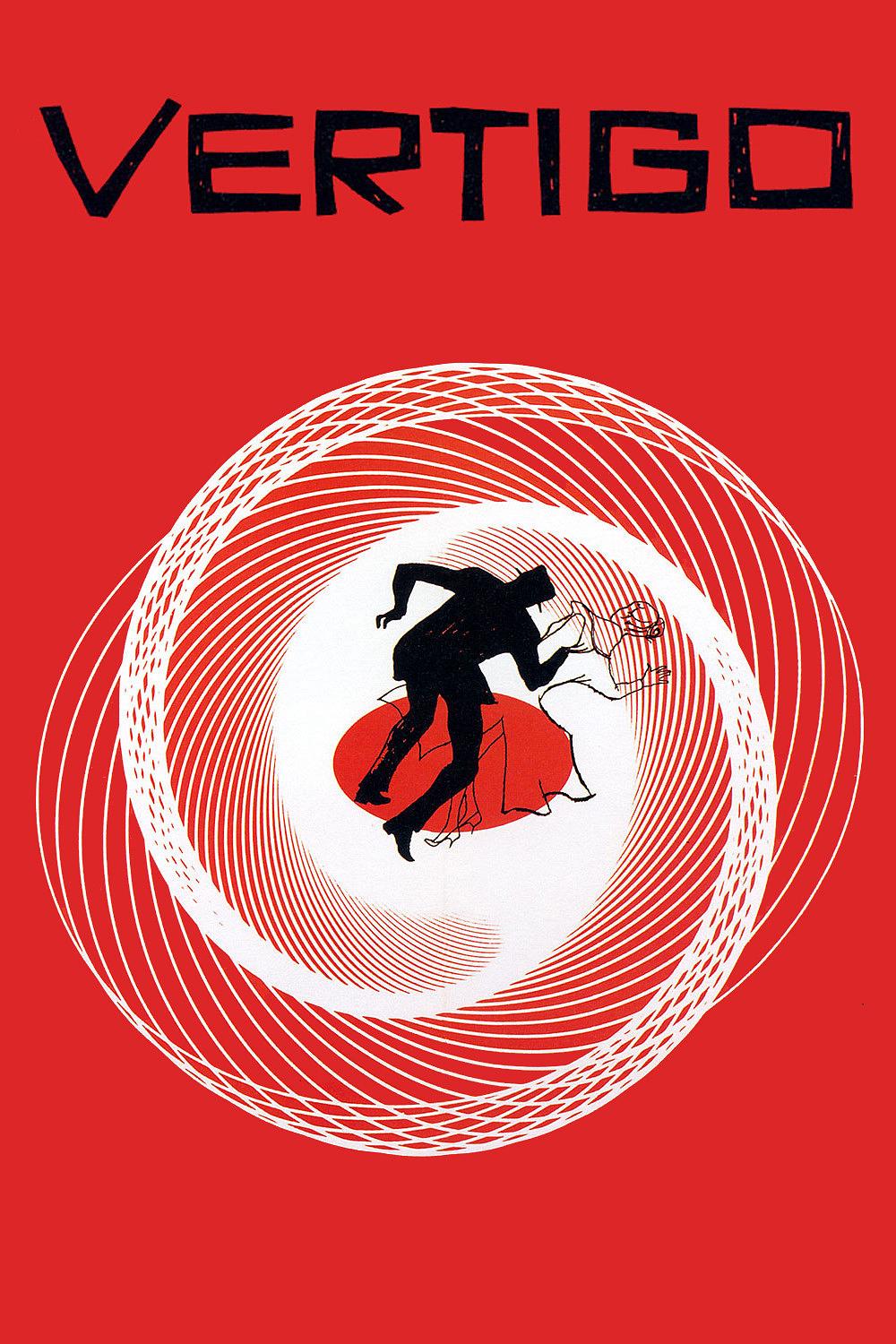
Vertigo
Year
1958
Director
Alfred Hitchcock
Genre
Mystery, Romance, Thriller
Runtime
128 min
A former police detective with acrophobia is hired to follow the wife of an acquaintance and gradually becomes obsessed with her.
Key Achievements
- #1 in BFI Sight & Sound Poll
- #68 on IMDb Top 250
- 93% on Rotten Tomatoes
- 90 Metascore
Cultural Impact
- Revolutionary camera techniques
- Influenced directors like Scorsese and Lynch
- Iconic score by Bernard Herrmann
- Defined the psychological thriller genre
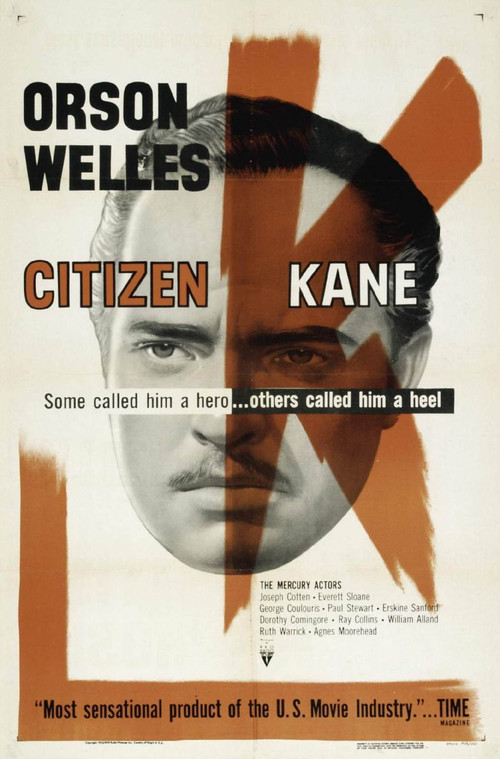
Citizen Kane
Year
1941
Director
Orson Welles
Genre
Drama, Mystery
Runtime
119 min
Following the death of publishing tycoon Charles Foster Kane, reporters scramble to uncover the meaning of his final utterance: 'Rosebud.'
Key Achievements
- 1 Oscar for Best Original Screenplay
- #2 in BFI Sight & Sound Poll
- #100 on IMDb Top 250
- 100 Metascore
Cultural Impact
- Revolutionary cinematography techniques
- Influenced generations of filmmakers
- "Rosebud" has become part of popular lexicon
- Considered the most influential film ever made
Data Analysis
Rating Distribution
This chart shows the distribution of IMDb ratings across the top 10 films, with the highest ratings belonging to The Shawshank Redemption (9.3) and The Godfather (9.2).
Year Distribution
The top 10 films span seven decades, with the 1990s being the most represented decade with three films (The Shawshank Redemption, Pulp Fiction, and Goodfellas).
Key Insights
Timeless Appeal
The top 10 films span from 1941 to 1994, demonstrating that great storytelling transcends time and technological limitations.
Critical vs. Audience Acclaim
While Citizen Kane and Vertigo top many critics' lists, The Shawshank Redemption and The Godfather are consistently favored by audiences.
Directorial Vision
The top 10 features works from legendary directors like Hitchcock, Welles, Kubrick, and Scorsese, highlighting the importance of strong directorial vision.
Global Influence
The list includes films from the US, UK, and Japan, showcasing how cinema transcends cultural boundaries to touch universal human experiences.
Fun Facts & Trivia
Box Office Underdogs
The Shawshank Redemption was a box office disappointment upon release, grossing only $16 million against its $25 million budget. It found its audience later through home video and TV broadcasts.
Method Acting
Marlon Brando reportedly improvised many of his lines in The Godfather, including the famous "I'm gonna make him an offer he can't refuse" line.
Hidden Meanings
The ending of 2001: A Space Odyssey is deliberately ambiguous. Stanley Kubrick once said, "I don't like to talk about 2001 much because it's essentially a nonverbal experience."