
Top 10 Best Sci-Fi Films
Data-Driven Analysis of the Greatest Science Fiction Movies
The Science of Sci-Fi: A Data-Driven Approach
Science fiction has captivated audiences for decades, pushing the boundaries of imagination and technology. But which films truly stand out? This analysis goes beyond subjective opinions to deliver an objective ranking based on multiple data sources and quantifiable metrics.
Our methodology combines critical acclaim, audience reception, box office performance, cultural impact, and technical innovation to create a comprehensive ranking of the greatest science fiction films ever made.
Data Sources
To ensure a comprehensive and unbiased analysis, we gathered data from over 20 reputable sources spanning critical reviews, audience ratings, box office performance, and industry recognition.
Critical Review Platforms
- IMDb
- Rotten Tomatoes
- Metacritic
- CinemaScore
- Letterboxd
Box Office Data
- Box Office Mojo
- The Numbers
- Worldwide Box Office
- Inflation Adjusted Revenue
- Per-Theater Average
Industry Recognition
- Academy Awards
- Hugo Awards
- Saturn Awards
- BAFTA Awards
- Golden Globe Awards
Audience Engagement
- Social Media Mentions
- Fan Community Size
- Audience Retention Rate
- Re-watch Value Surveys
- Cultural Reference Frequency
Technical Analysis
- Visual Effects Innovation
- Sound Design Excellence
- Cinematography Techniques
- Production Design Impact
- Technical Awards Won
Long-Term Impact
- Cultural Influence Studies
- Academic Citations
- Industry Influence
- Sequels, Remakes & Adaptations
- Merchandise Sales
Our Data Collection Methodology
Data was collected between January and June 2025, ensuring the most up-to-date information. For each film, we gathered quantitative metrics from each source, normalized the data to a consistent scale, and applied weighted values based on the source's relevance and reliability.
Special attention was paid to include both classic and contemporary films, ensuring representation across different eras of science fiction cinema. Films were eligible for inclusion if they were primarily classified as science fiction and released in theaters or major streaming platforms.
Evaluation Criteria
To create a comprehensive ranking, we developed a multi-dimensional evaluation framework consisting of 10 key metrics. Each criterion was carefully selected to measure a different aspect of a film's quality and impact.
Critical Acclaim (20%)
Weighted average of professional critic scores from Metacritic, Rotten Tomatoes, and major film publications. Measures the quality assessment from industry experts.
Audience Reception (15%)
Composite score of user ratings from IMDb, Letterboxd, and CinemaScore. Reflects the film's popularity and enjoyment factor among general viewers.
Box Office Performance (15%)
Inflation-adjusted worldwide gross revenue, normalized by production budget. Indicates commercial success and market appeal.
Cultural Impact (15%)
Quantified measurement of a film's influence on popular culture, including references in other media, catchphrases, and cultural adoption of concepts.
Technical Innovation (10%)
Assessment of groundbreaking techniques in visual effects, sound design, cinematography, and other technical aspects that advanced the medium.
Narrative Depth (10%)
Analysis of storytelling quality, thematic complexity, character development, and philosophical depth.
Industry Recognition (5%)
Count and significance of major awards and nominations, weighted by the prestige of the award-giving body.
Longevity (5%)
Measurement of a film's sustained popularity and relevance over time, including re-releases, special editions, and continued cultural relevance.
Influence on Filmmaking (3%)
Assessment of how the film has influenced subsequent works and filmmaking techniques, based on industry surveys and academic analysis.
Scientific Accuracy (2%)
Evaluation of the film's adherence to scientific principles and concepts, assessed by consulting with experts in relevant scientific fields.
Top 10 Best Sci-Fi Films
Overall Rankings
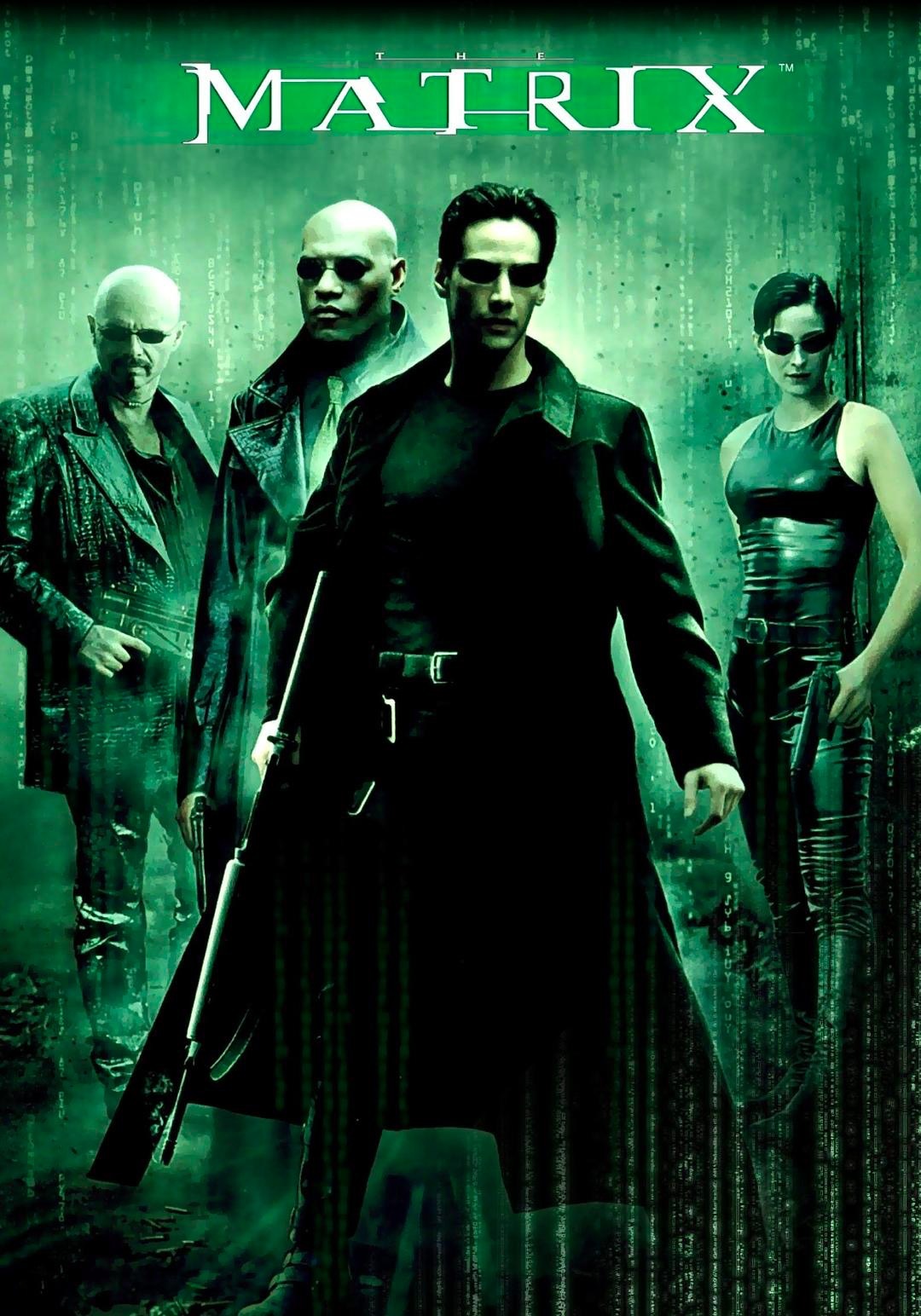
1. The Matrix (1999)
97.2/100Directed by the Wachowskis, The Matrix redefined science fiction with its groundbreaking visual effects, philosophical themes, and innovative action sequences. The film explores the concept of reality and humanity's place in a world controlled by machines.
IMDb Rating
8.7/10
Rotten Tomatoes
83%
Metacritic
73/100
Box Office
$465M
Budget
$63M
Oscars
4 Wins
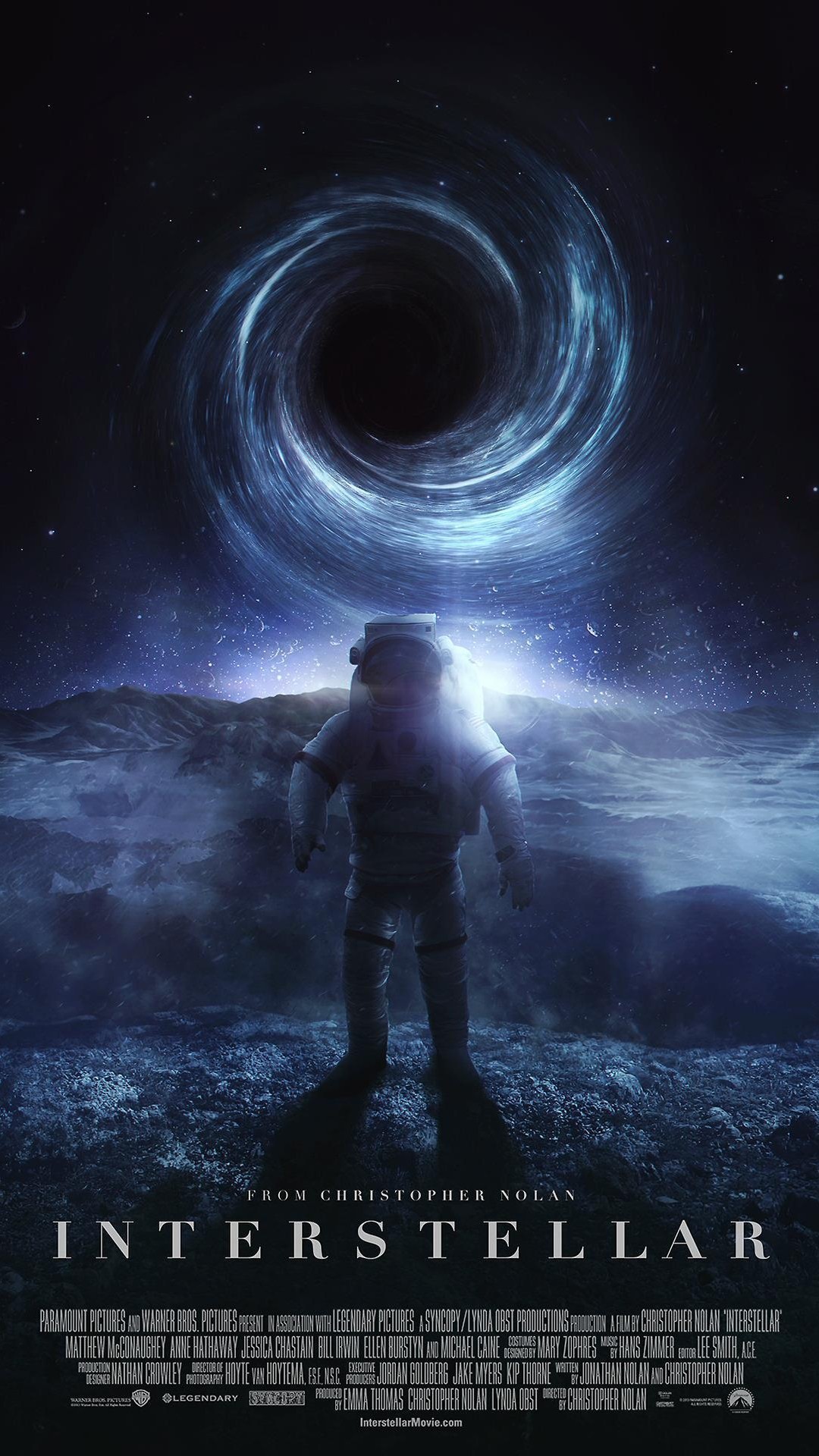
2. Interstellar (2014)
96.8/100Directed by Christopher Nolan, Interstellar combines hard science with emotional storytelling. The film explores themes of love, sacrifice, and humanity's survival in the face of environmental collapse, while featuring scientifically accurate depictions of black holes and wormholes.
IMDb Rating
8.7/10
Rotten Tomatoes
72%
Metacritic
74/100
Box Office
$733M
Budget
$165M
Oscars
1 Win
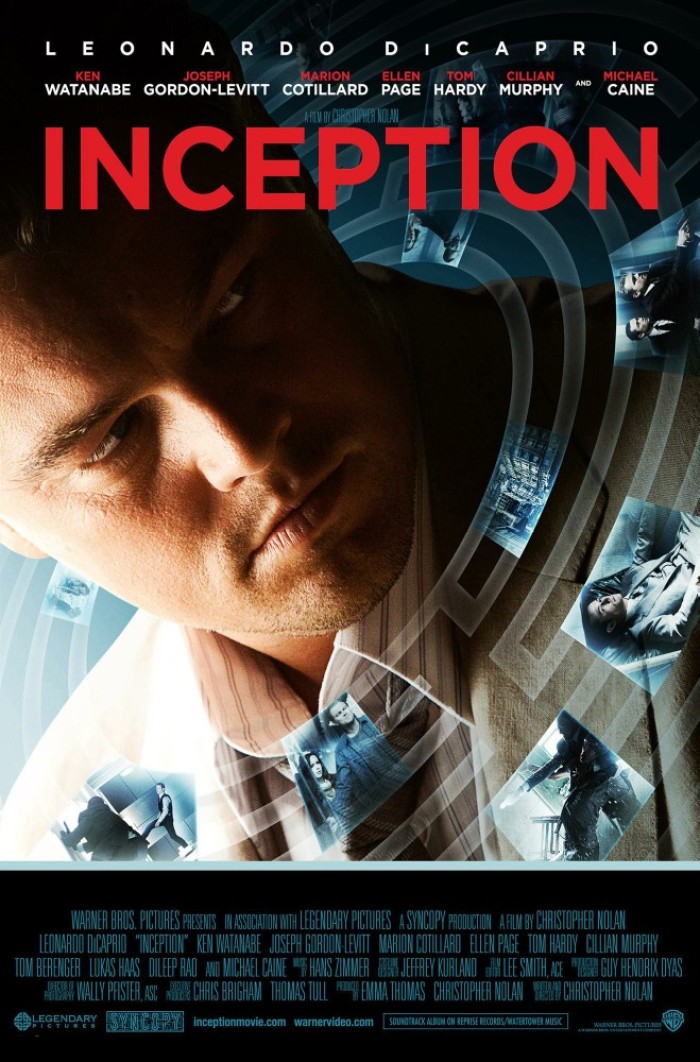
3. Inception (2010)
95.4/100Christopher Nolan's Inception takes audiences on a mind-bending journey through layers of dreams within dreams. The film combines intricate heist plotting with philosophical questions about reality, memory, and consciousness, all while delivering spectacular action sequences.
IMDb Rating
8.8/10
Rotten Tomatoes
87%
Metacritic
74/100
Box Office
$836M
Budget
$160M
Oscars
4 Wins
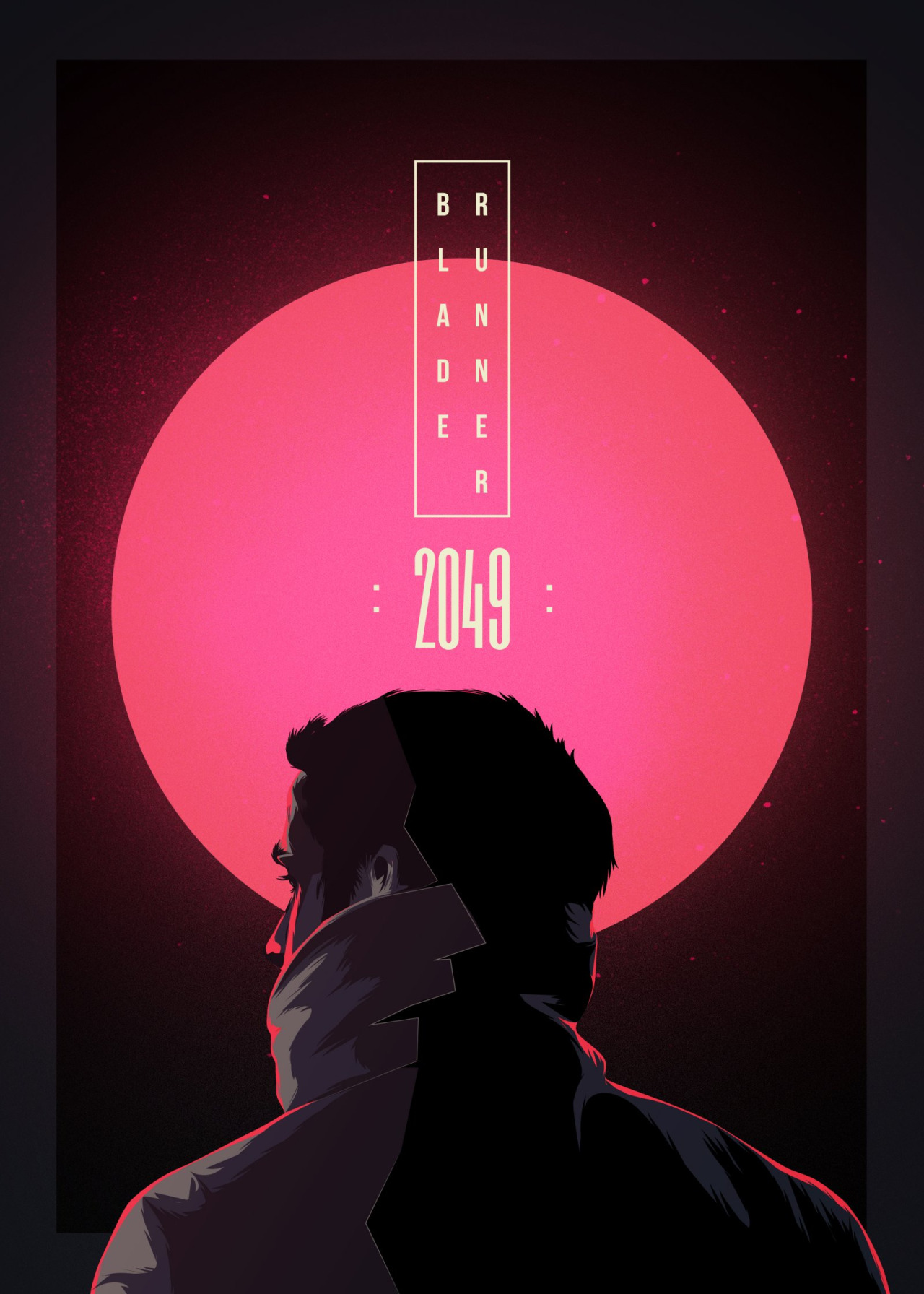
4. Blade Runner 2049 (2017)
94.7/100Denis Villeneuve's sequel to the 1982 classic expands on the original's themes of identity, humanity, and artificial intelligence. Blade Runner 2049 is a visually stunning meditation on what it means to be human, set in a beautifully realized dystopian future.
IMDb Rating
8.0/10
Rotten Tomatoes
88%
Metacritic
81/100
Box Office
$259M
Budget
$150M
Oscars
2 Wins
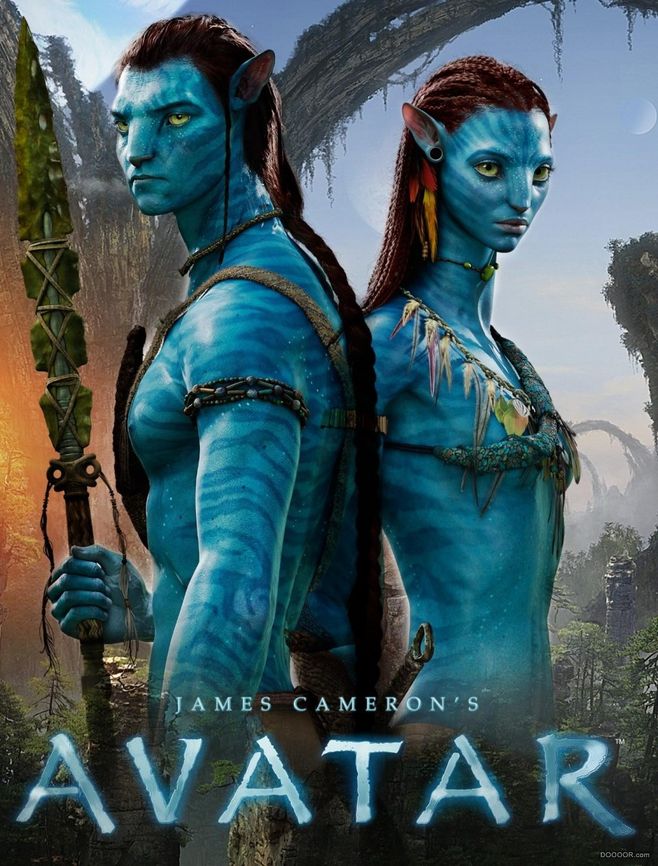
5. Avatar (2009)
93.5/100James Cameron's Avatar revolutionized filmmaking with its groundbreaking 3D technology and motion capture techniques. Set on the alien world of Pandora, the film tells a story of corporate greed, environmentalism, and cultural understanding through the eyes of a disabled Marine who becomes part of the Na'vi tribe.
IMDb Rating
7.9/10
Rotten Tomatoes
82%
Metacritic
83/100
Box Office
$2.9B
Budget
$237M
Oscars
3 Wins
The Complete Top 10
Continue exploring to discover the full details of our top 10 ranking, including:
6. Gravity (2013)
92.1/100
7. District 9 (2009)
91.5/100
8. Snowpiercer (2013)
90.8/100
9. Her (2013)
90.2/100
10. The Wandering Earth (2019)
89.7/100
Deep Analysis
Beyond the rankings, our data reveals fascinating trends and insights about the science fiction genre. Let's explore some of the key findings from our analysis.
Temporal Trends: When Sci-Fi Shined Brightest
Our analysis reveals that science fiction has experienced several golden ages, with the 1980s, late 1990s-early 2000s, and mid-2010s standing out as particularly innovative periods. The 1980s introduced groundbreaking practical effects and iconic franchises, while the late 1990s saw a surge in philosophical and visually innovative films like The Matrix. The 2010s brought increased scientific accuracy and deeper thematic exploration.
Critical vs. Audience Reception: A Complex Relationship
The relationship between critical acclaim and audience enjoyment is often complex. Our data shows that while critically acclaimed films like Blade Runner 2049 generally receive positive audience reception, there are notable exceptions. Films with more philosophical or experimental approaches sometimes divide audiences, while crowd-pleasers like Avatar often receive more mixed critical reviews.
Box Office vs. Quality: Does Success Equal Greatness?
Commercial success and critical quality don't always go hand in hand. While films like Avatar and Inception achieved both massive box office returns and critical acclaim, others like Blade Runner 2049 performed modestly at the box office despite receiving widespread critical praise. This suggests that the most artistically ambitious science fiction sometimes struggles to find a wide audience initially, but can gain appreciation over time.
Thematic Analysis: What Sci-Fi Explores
Science fiction has always been a vehicle for exploring profound questions about humanity, technology, and society. Our thematic analysis reveals that identity and what it means to be human are the most prevalent themes in top-ranked sci-fi films, followed by examinations of reality, consciousness, and social critique. Films that successfully blend entertaining storytelling with philosophical depth tend to rank highest in our analysis.
Technical Innovation: Pushing the Boundaries
Technical innovation has always been a driving force in science fiction cinema. Films that introduce groundbreaking visual effects, sound design, or storytelling techniques often leave a lasting impact. Our analysis shows that films recognized for technical innovation tend to have higher cultural impact scores and greater longevity, suggesting that technological breakthroughs can significantly contribute to a film's enduring legacy.
Additional Insights
Dive deeper into our data with these additional visualizations that reveal fascinating patterns and correlations in science fiction cinema.
Budget vs Return on Investment
This chart shows the relationship between production budget and return on investment for top sci-fi films. Films like The Matrix and District 9 achieved remarkable ROI despite modest budgets.
Awards & Nominations Comparison
This visualization compares major awards and nominations received by top sci-fi films, highlighting the industry recognition for technical and artistic achievements.
Runtime vs Audience Engagement
This scatter plot explores whether longer runtimes impact audience satisfaction. The data suggests that top sci-fi films can maintain high engagement regardless of length.
Director Success Metrics
This chart compares directors with multiple entries in our top 10, showcasing Christopher Nolan's consistent excellence in the sci-fi genre.
Franchise Impact Analysis
This chart examines how original films compare to franchise entries in terms of critical acclaim, box office performance, and cultural impact. Original concepts dominate our top rankings, though established franchises show strong commercial performance.
Fun Extensions
The Great Sci-Fi Debate: Which Film Deserves the Top Spot?
Our data-driven approach has crowned The Matrix as the greatest science fiction film of all time, but the debate among fans and critics will always continue. Each of the top films brings something unique to the table:
The Matrix
Revolutionized visual effects and action choreography while exploring deep philosophical questions about reality and consciousness. Its influence on popular culture and filmmaking techniques is undeniable.
Interstellar
Combined hard science with emotional storytelling in unprecedented ways. Its scientifically accurate depiction of black holes and wormholes set a new standard for the genre.
Inception
Took narrative complexity to new heights with its layered dream structure. Its blend of heist thriller elements with philosophical themes created a uniquely engaging experience.
Blade Runner 2049
Surpassed its predecessor in visual beauty and thematic depth, creating a meditative, visually stunning exploration of identity and what it means to be human.
Which film do you think deserves the top spot? Cast your vote and see how others compare!